Things to do in Kyoto👘

🏨Sakura Terrace, The Atelier
We spent three full days here in Kyoto and it was one our favourite places. You can definitely spend longer as there is a lot to do here, and we did it quite rushed to fit everything in. We first got the train from Nara straight to Kyoto, which only took a few hours, checked into our accommodation then started exploring!
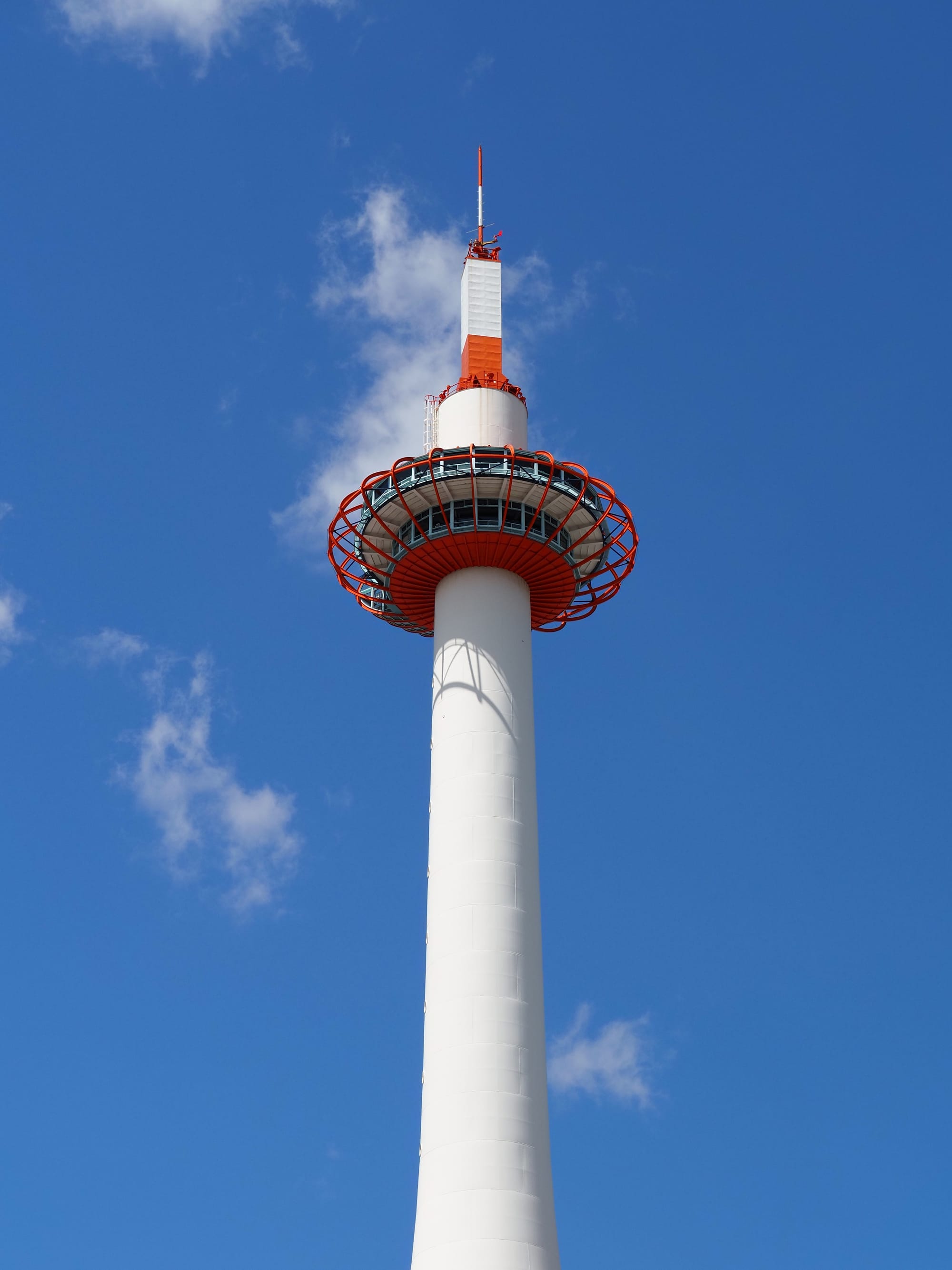
Kyoto Tower and Viewing Deck and Kyoto Station
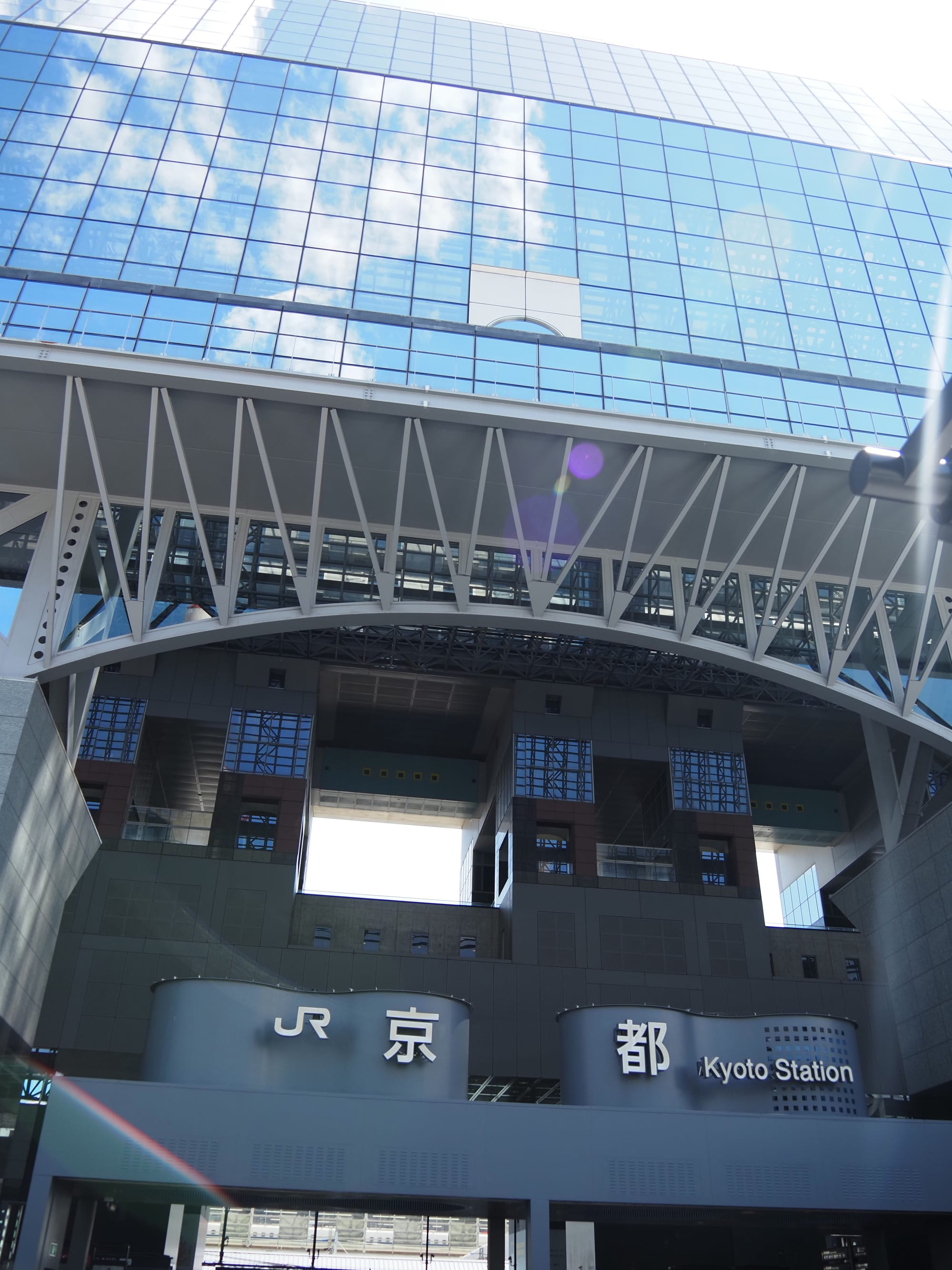
Straight off the train we saw Kyoto Tower and Kyoto Station, which are both sights to tick off. You can buy tickets to go up Kyoto Tower to the observation deck, which offers panoramic 360 degree views of the city.
Arashiyama Bamboo Forest
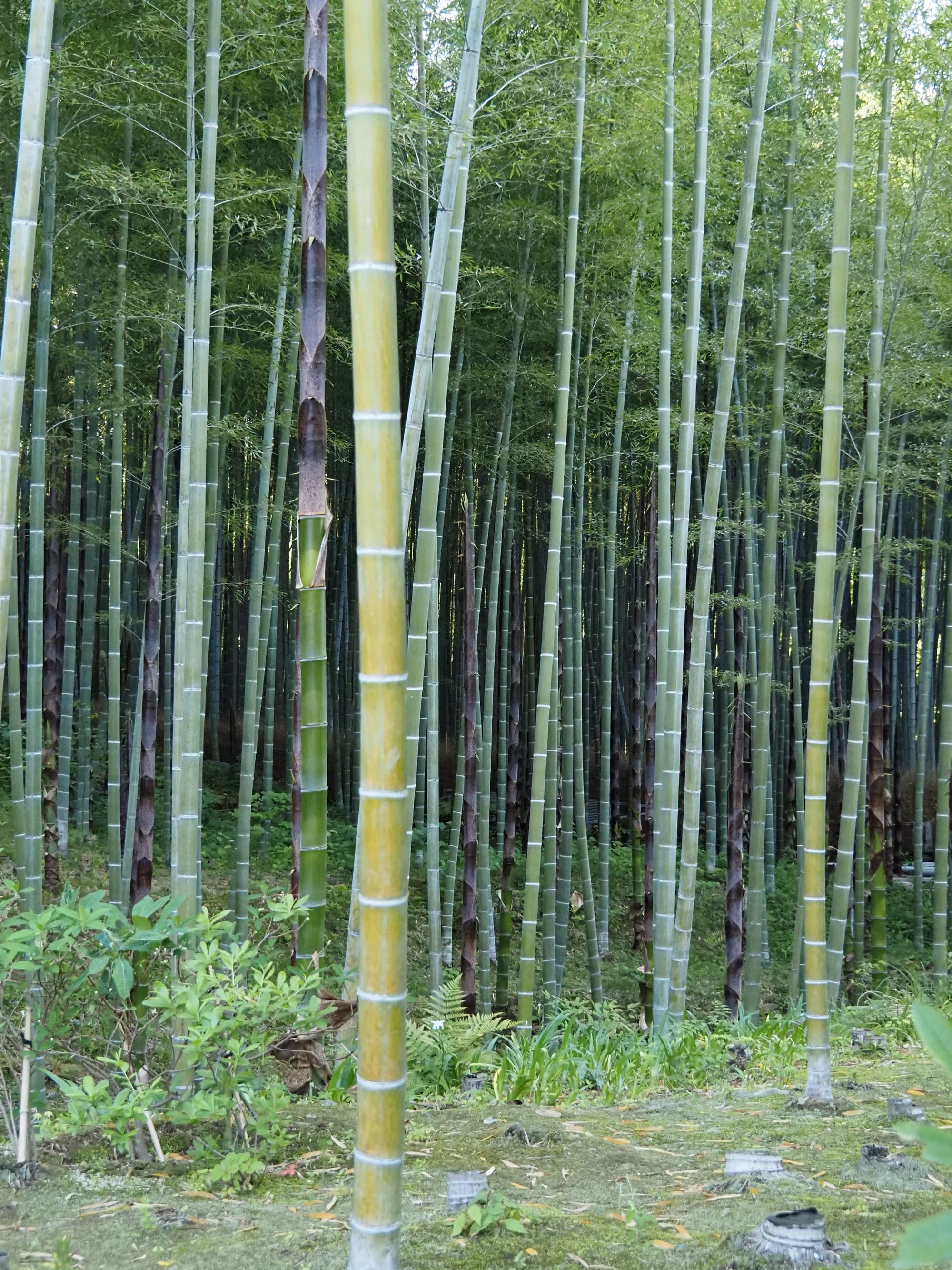
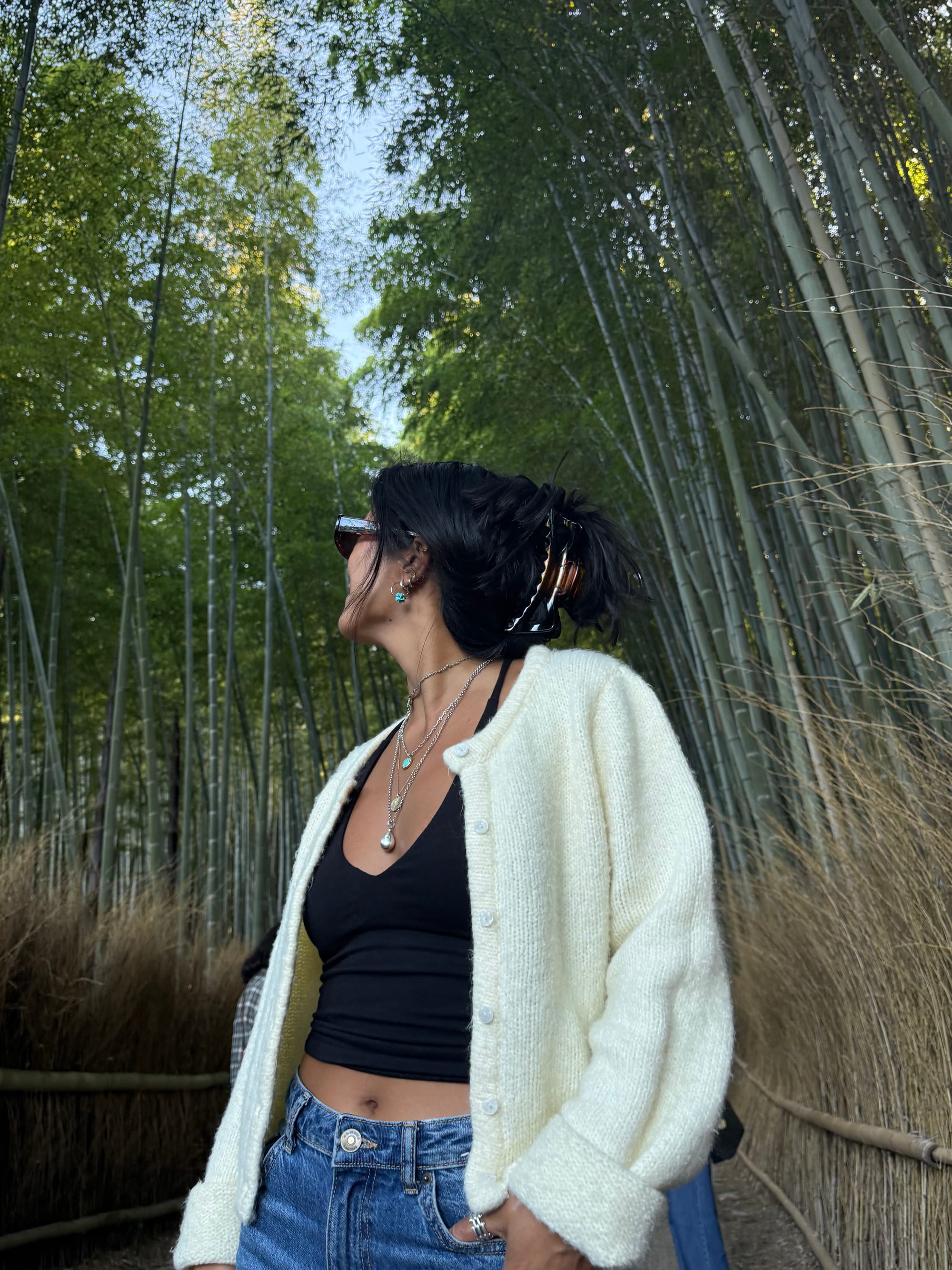
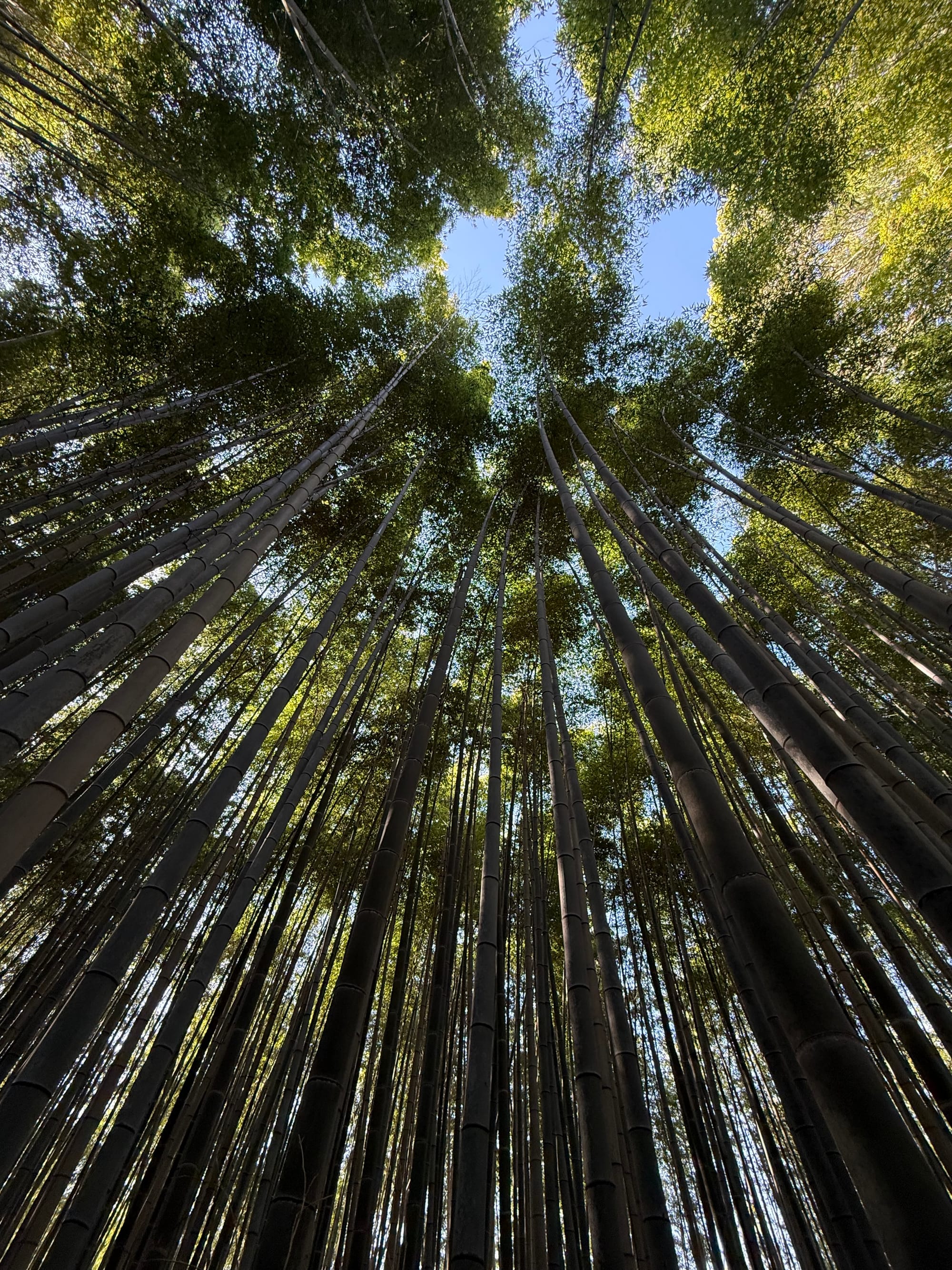
This Bamboo Forest is known as one of the best, scenic and iconic natural attractions in Kyoto. It features long, towering stalks of bamboo, creating a canopy and unique area to walk through. Located in Arashiyama, this is a free attraction and open 24/7. However, the best time to go is during the week, as early in the morning or late in the evening as possible to avoid crowds. It is also next to the Tenryu-ji Temple so can plan your days to see both of these sights.
Japanese Geisha, Kimono and Tea Ceremony
One popular activity in Kyoto is to do a tea ceremony with an authentic Geisha. A tea ceremony is a cultural event, which focuses on harmony, respect, purity and tranquility, where the host prepares and serves matcha or tea and Japanese sweets to their guests.
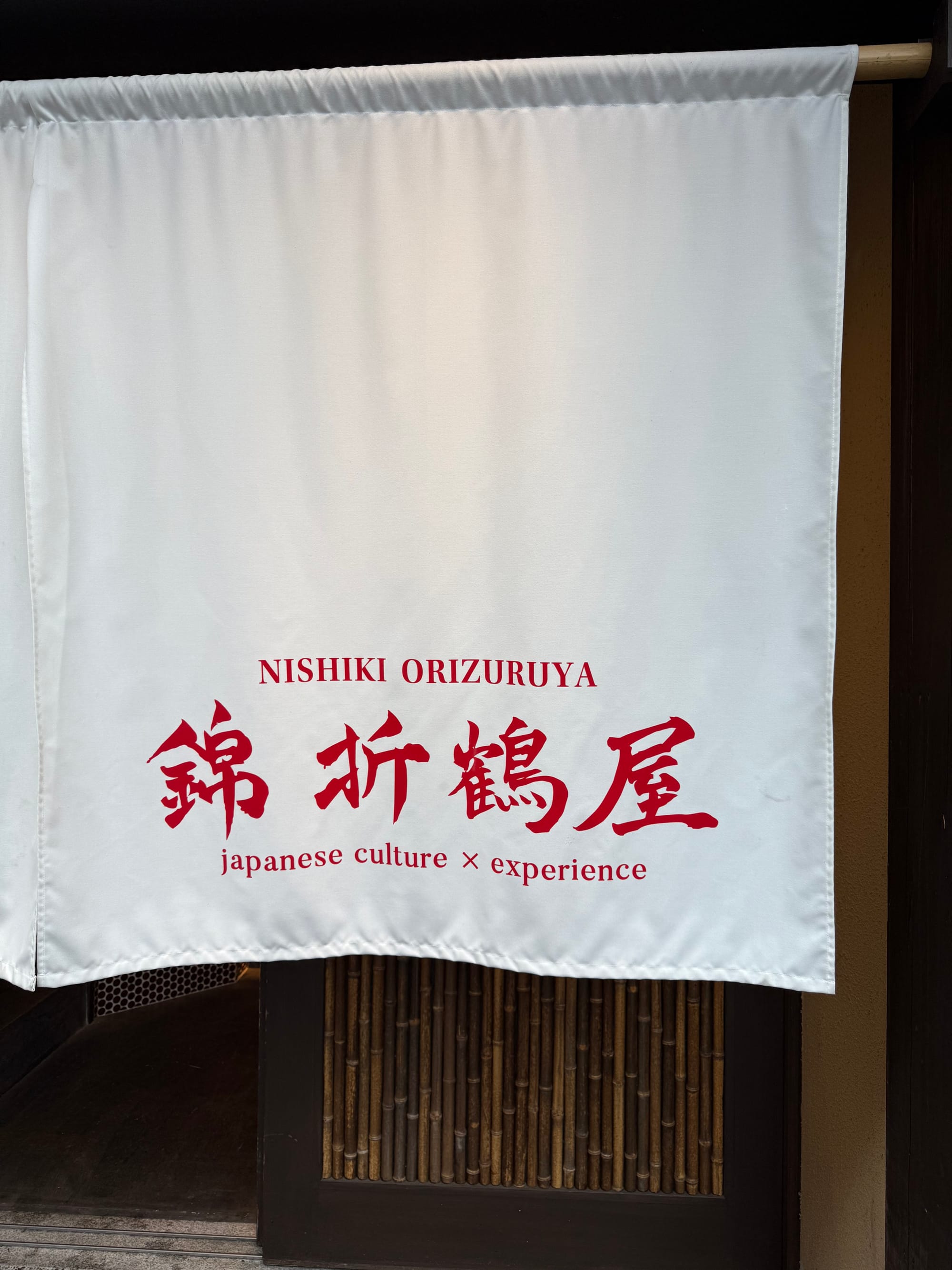
I did the tea ceremony with Nishiki Orizuruya and booked it through their website here. The ceremony lasts an hour and a half and costs ¥7,700, but you can upgrade your package to include a calligraphy writing class or a full tour.
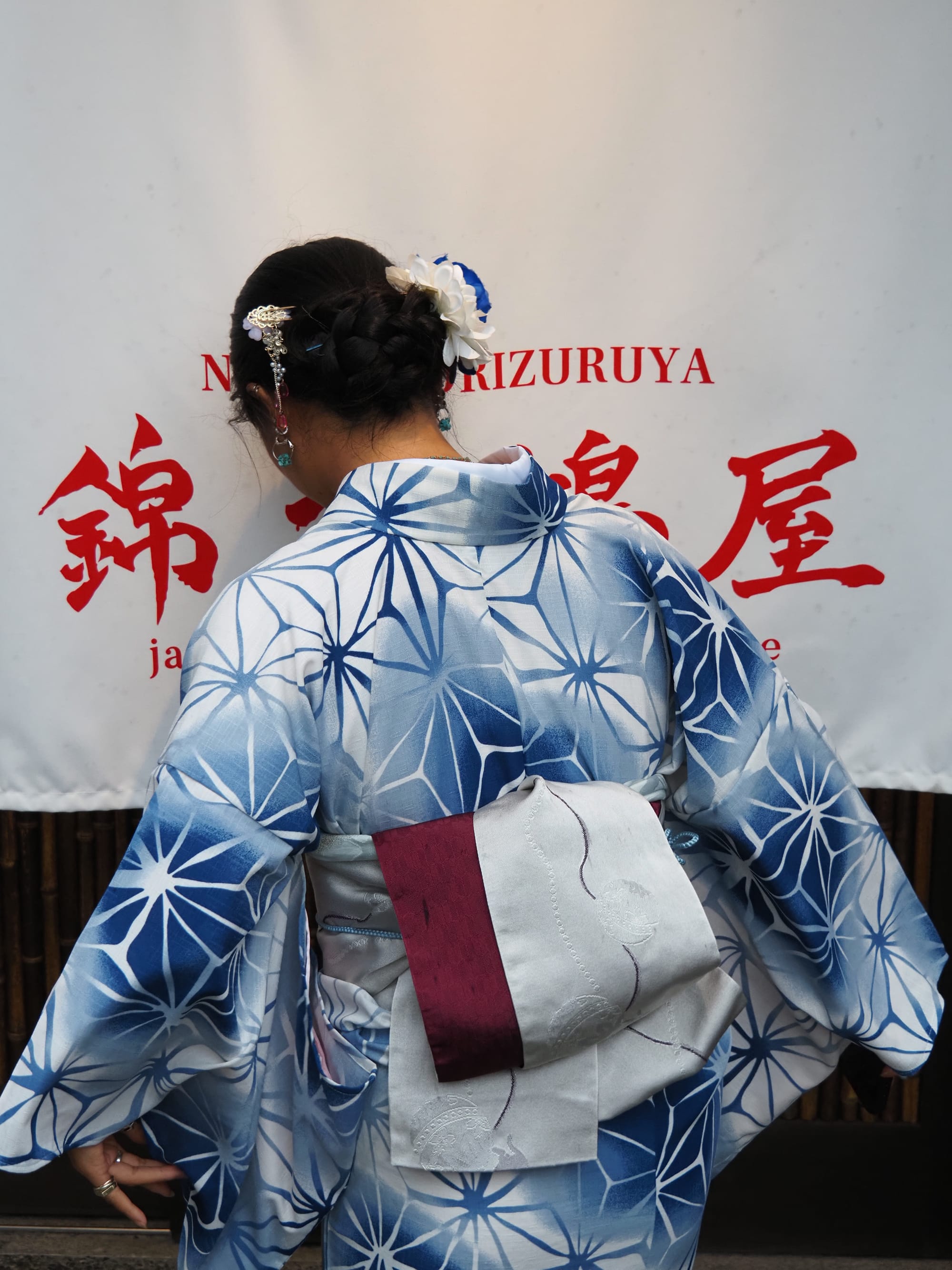
My class started with getting dressed into a kimono of my choice. You are allowed to choose the colours of your robe, ribbons and flowers and then the ladies will help dress you. This part was really fun and interesting as I didn’t realise how much time and effort goes into a kimono outfit. I was so surprised to see how many layers a kimono includes, so make sure to go to the toilet beforehand as they tie it up quite tightly. My hair was then done and plaited and decorated with hair pins and flowers of my choice too, as you can see I went with a blue theme.
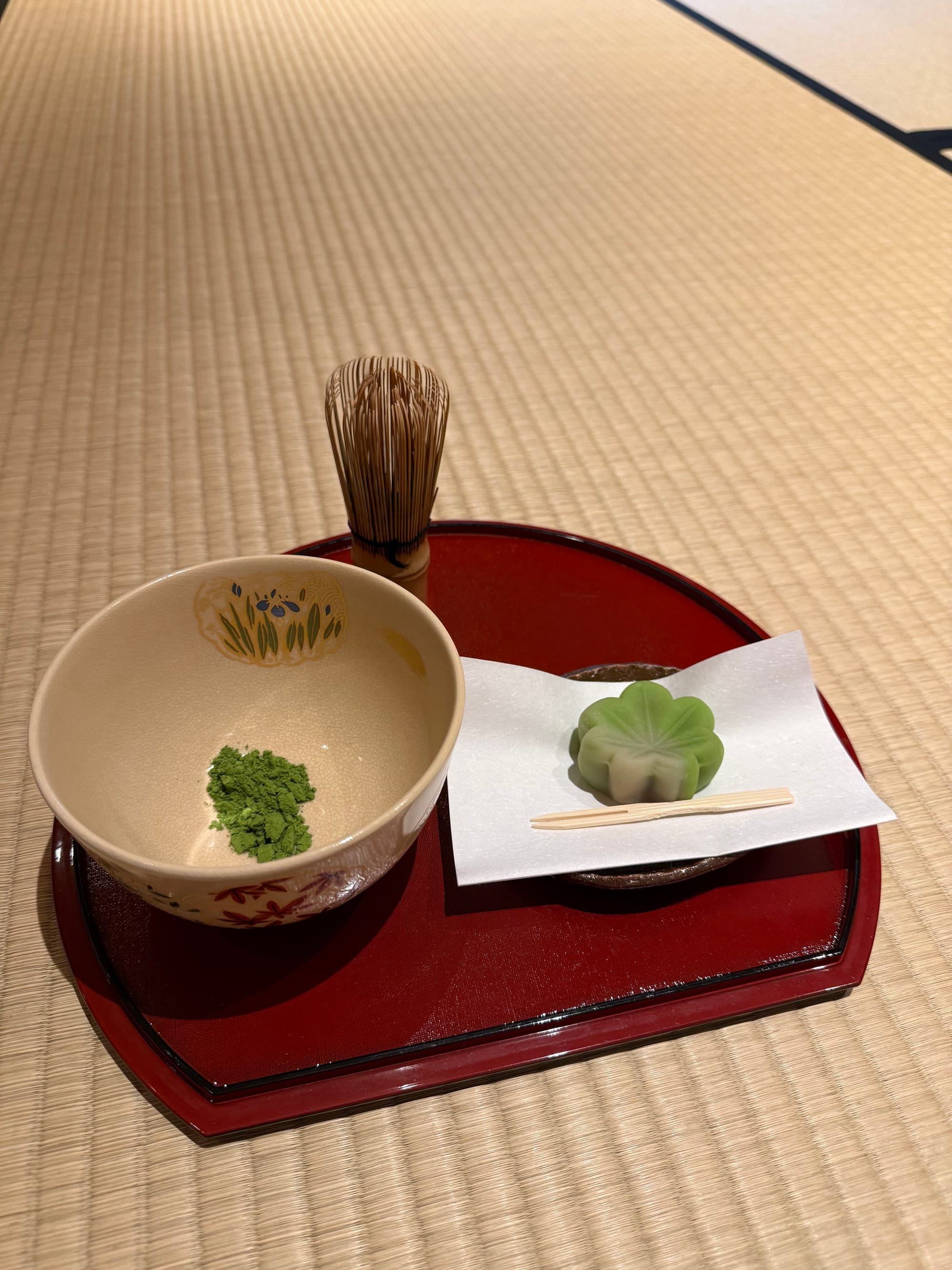
Once we were all ready, we were then given an introduction into the history of the Japanese tea ceremony and how to prepare the tea for your guests. After, we were treated with a professional tea ceremony performance by the host or Geisha, which lasted a few minutes. Once the ceremony was finished, we were then taught how to make matcha before being able to drink the matcha with the Japanese sweets called Koufukudo.
Once the ceremony has finished, you have the option to walk around Nishiki Market and go sight seeing in your kimono. Just make sure to not stain the robe and bring it back before 6pm.
Nishiki Market
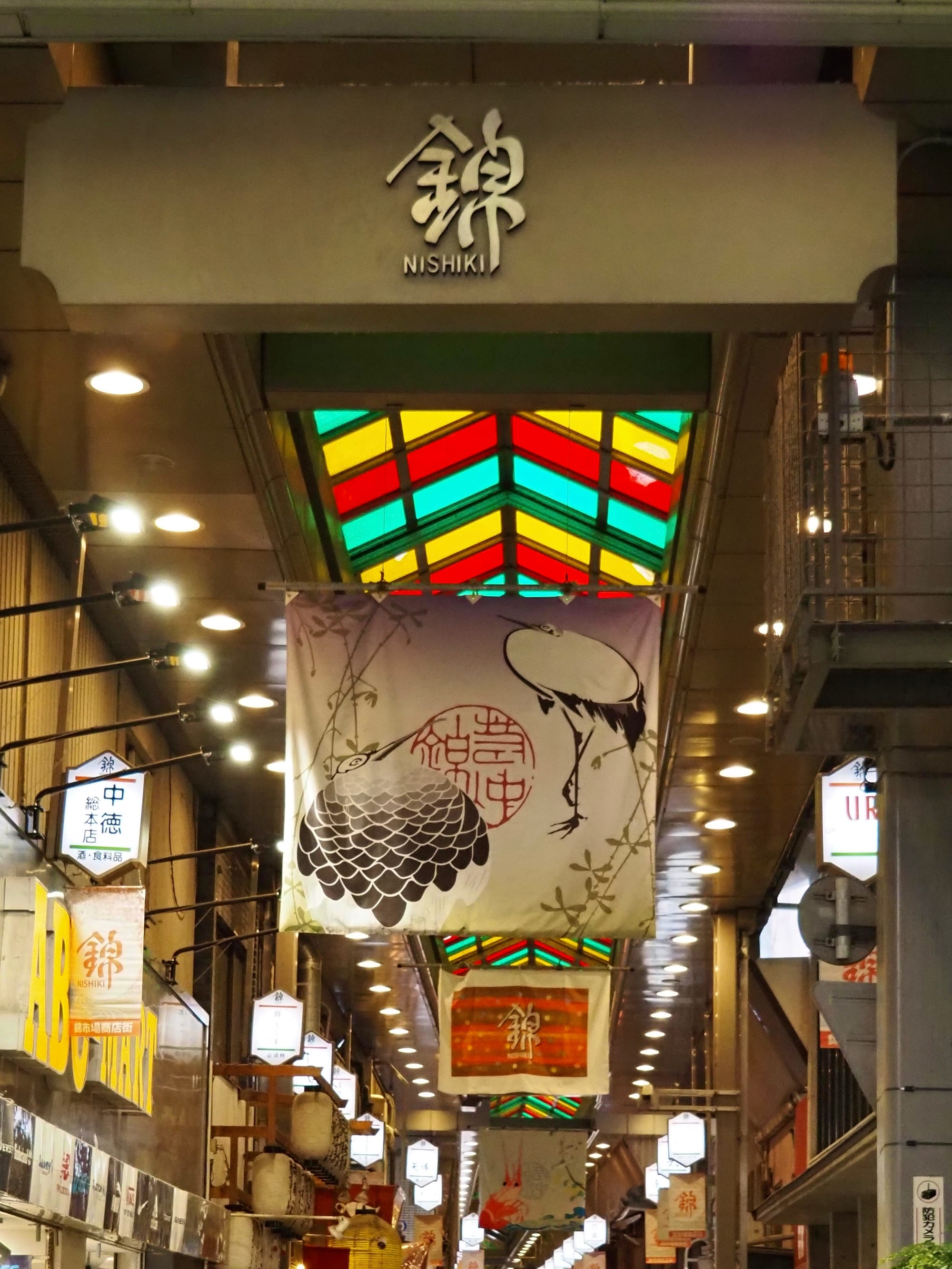
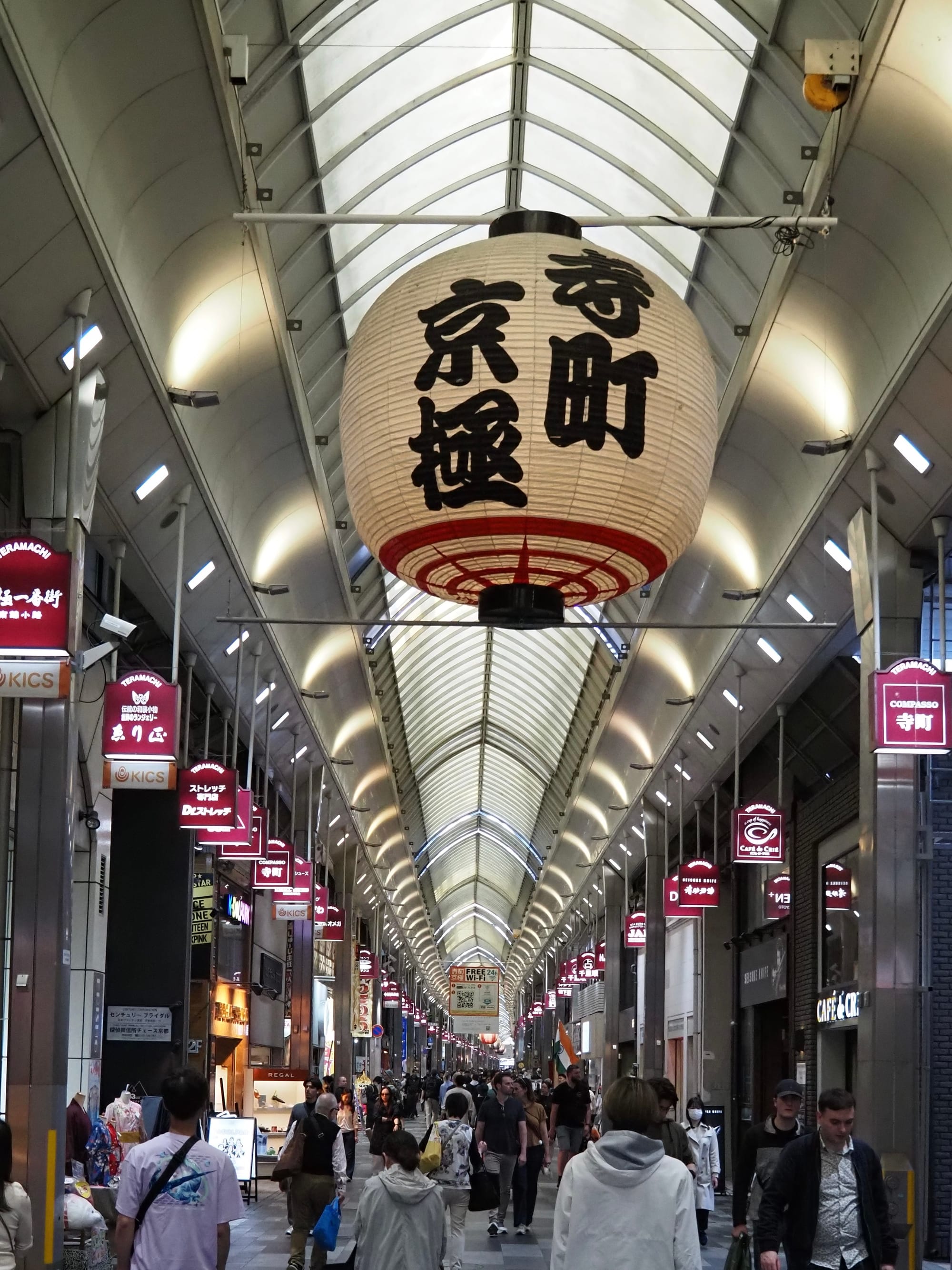
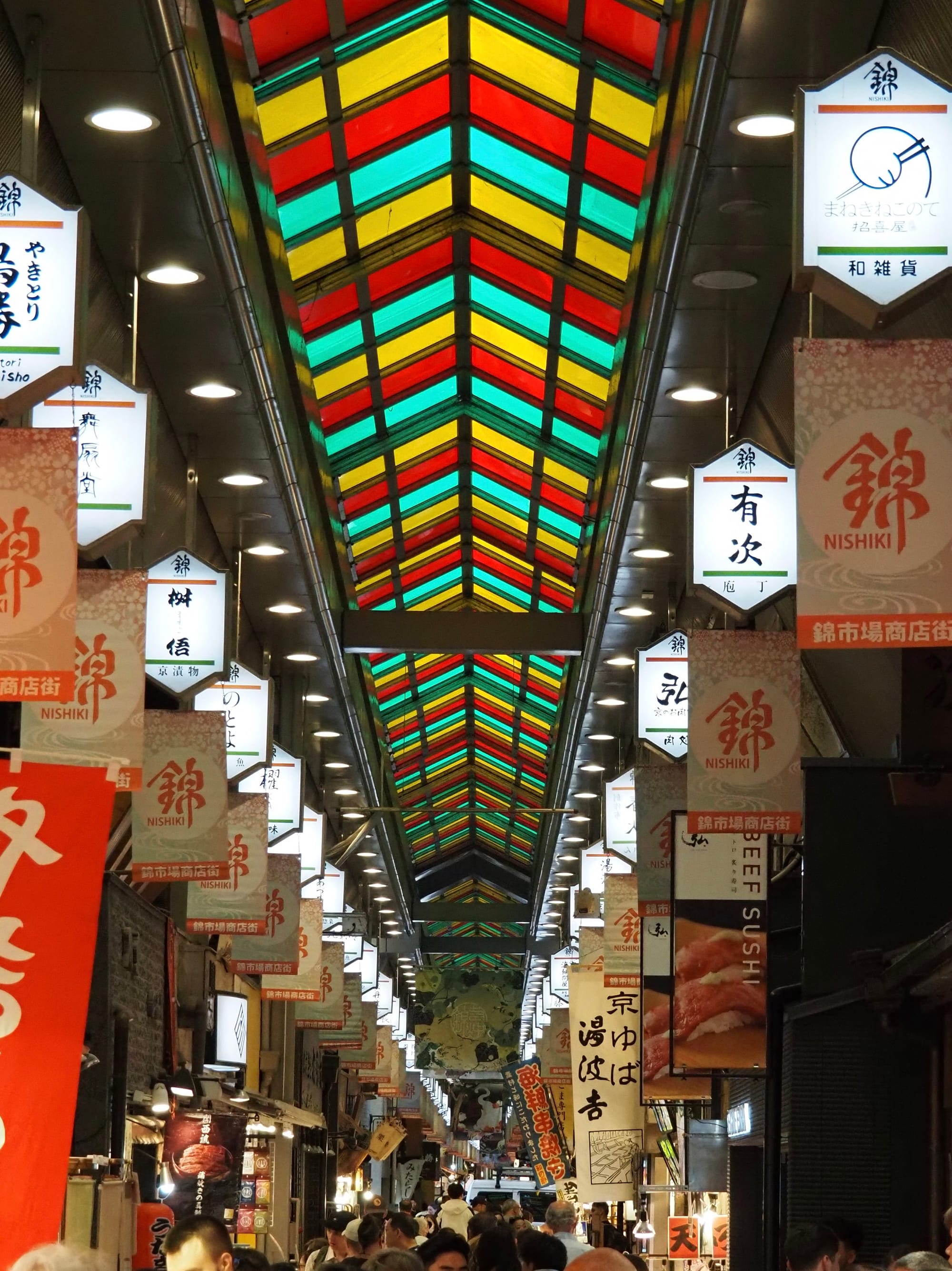
Nishiki Market is one of Osaka’s most popular markets, it is humongous and has hundreds of stores to choose from, including clothes stores, souvenirs, shoes, anything you could want, this market had it. It also had a path leading towards different restaurants and on the other side it had fresh food and street food stalls. A couple of days, Ned and I walked down the whole market, picking little bites from different stalls to try. We also bought a few souvenirs and clothes, I bought a new watch from Kuoe, which is known for making your own watch designs.
Kazariya Tea and Mochi
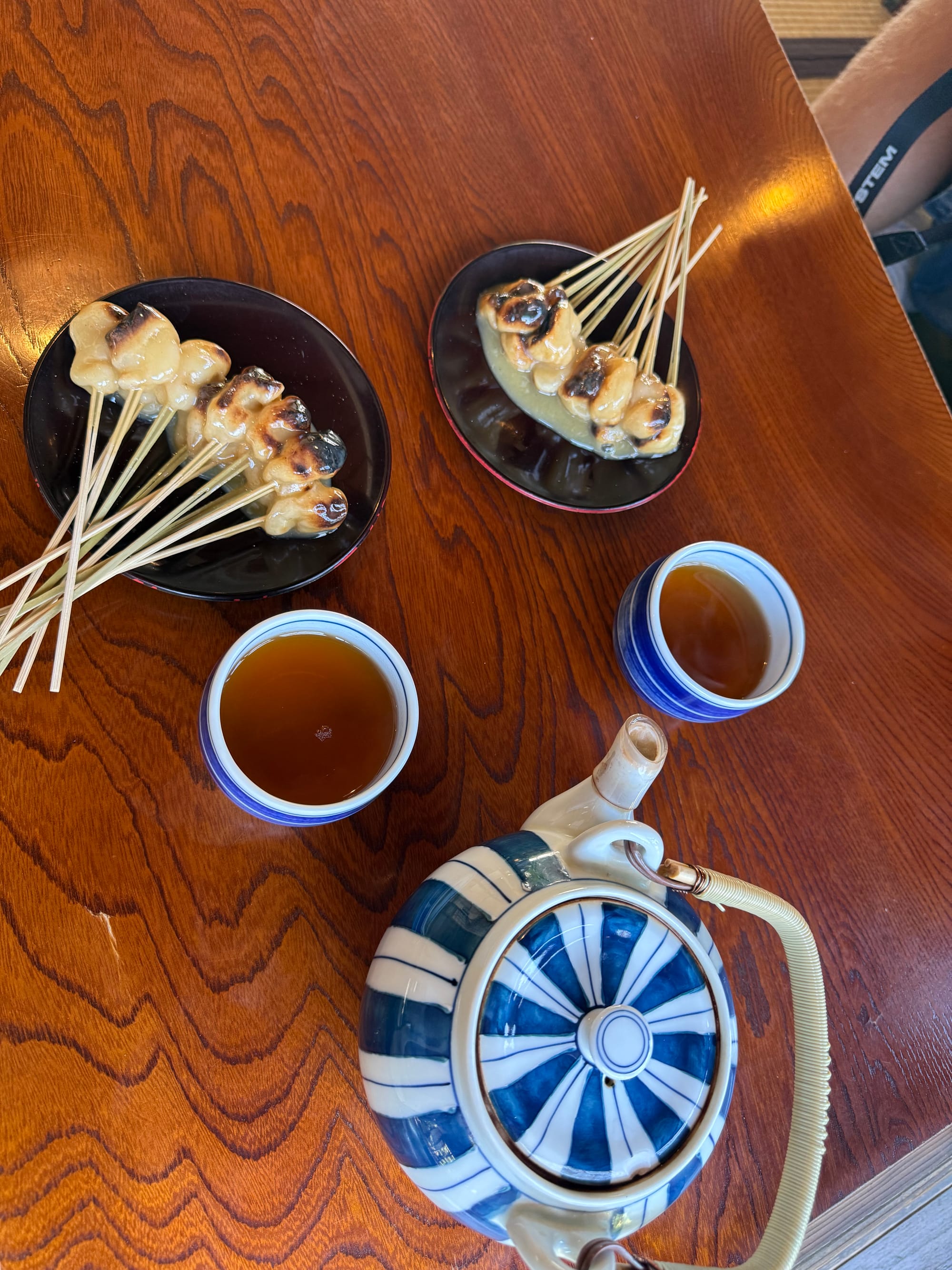
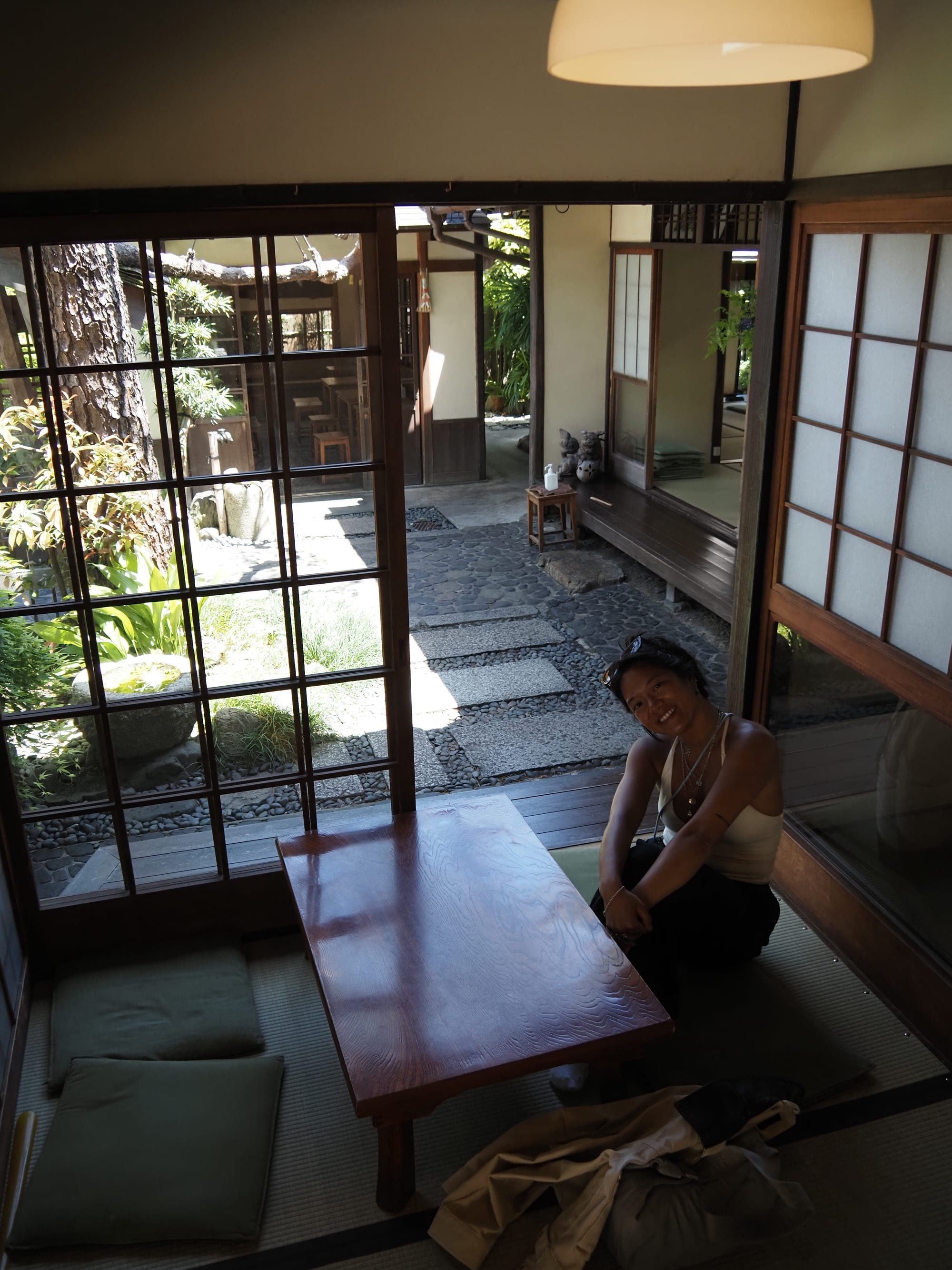
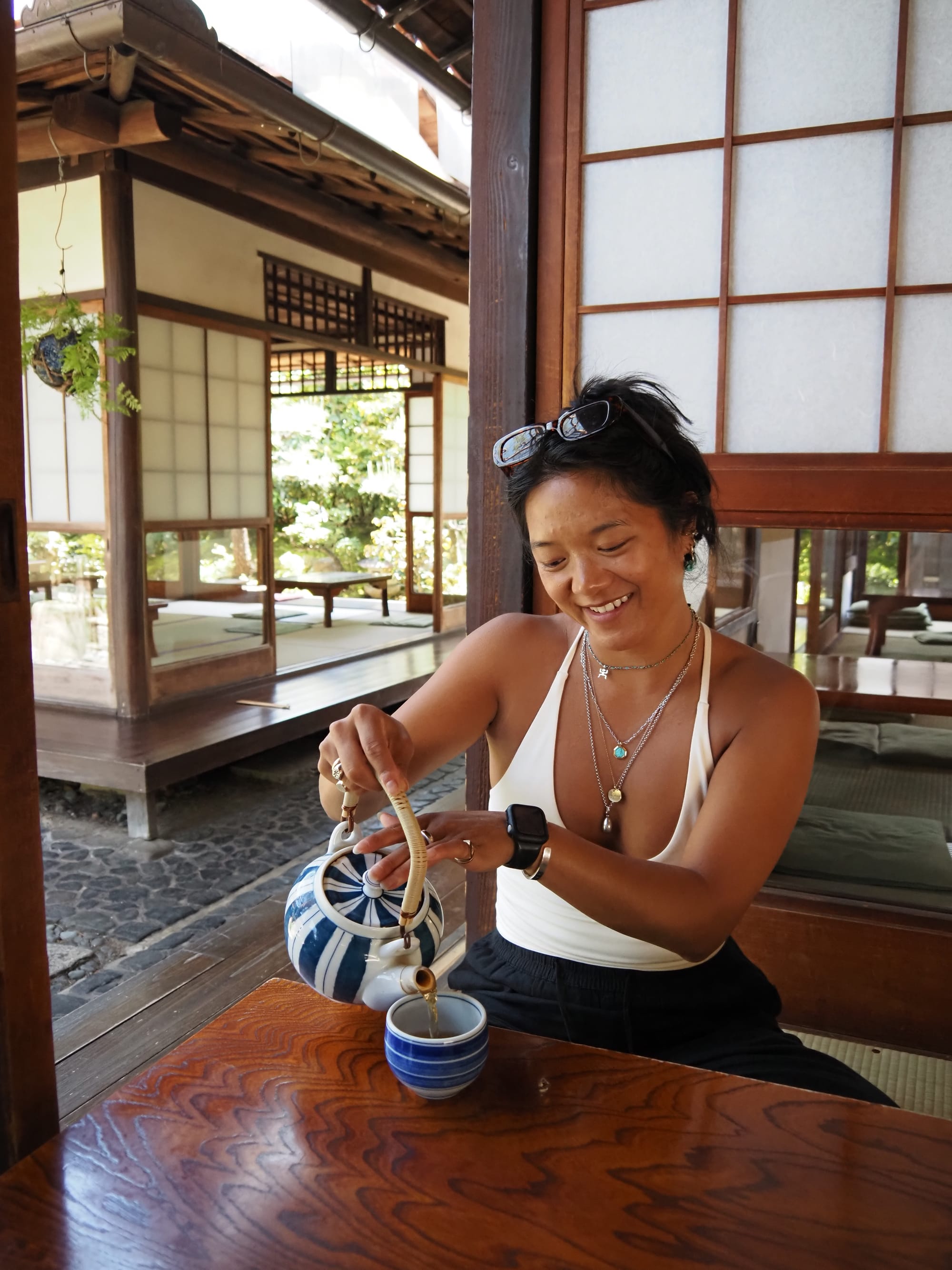
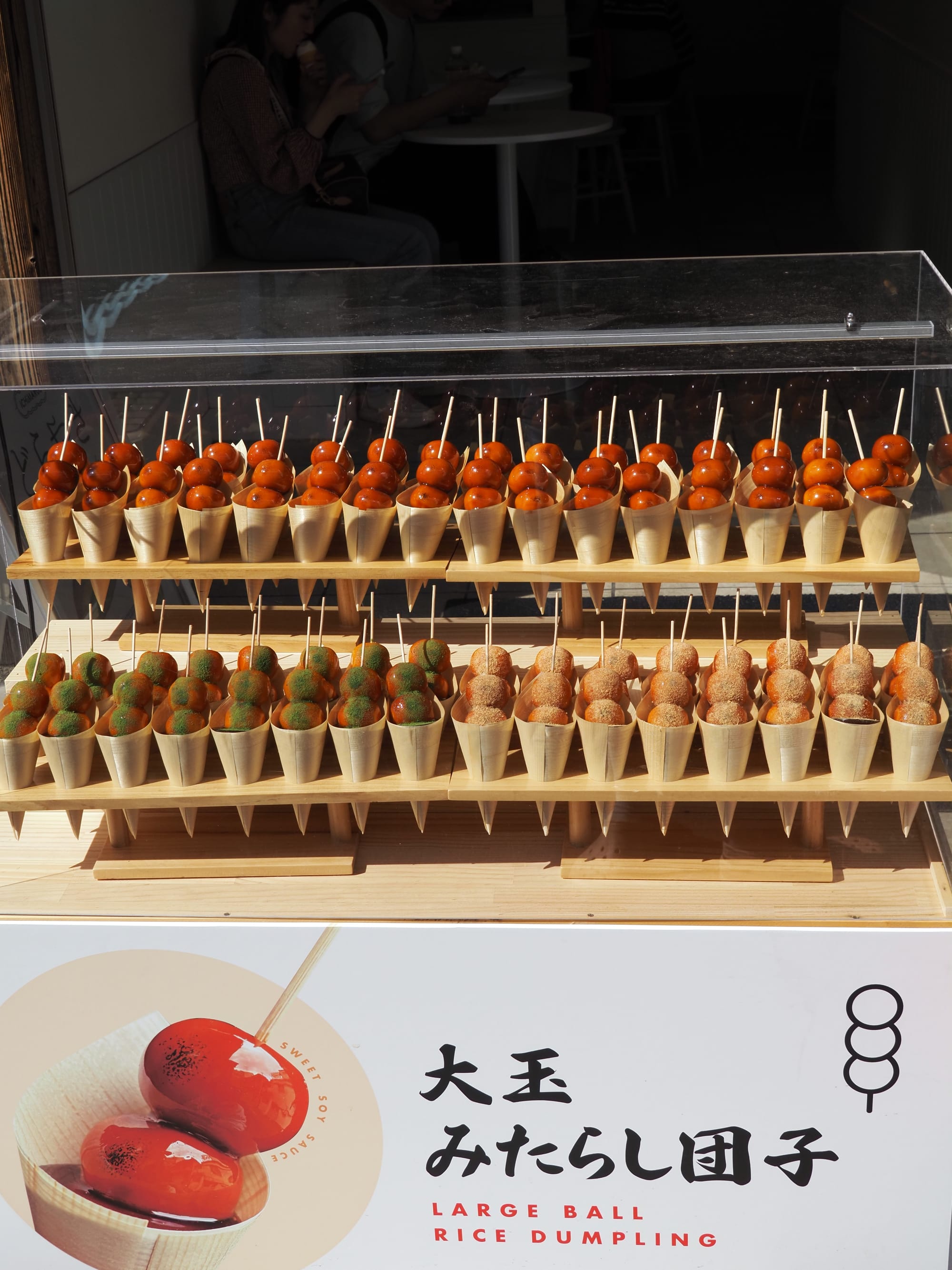
A find from our Lonely Planet Guide, it was recommended that we try hand grilled mochi and tea from Kazariya, which was near to one of the temples that we were visiting. The women of the shop would hand grill them at the front of the store for you to watch, before soaking them in sweet glazing sauce. Ned and I both got ten small sticks each with tea but we could have eaten a lot more. Perfect sweet treat for us to break up our exploring!
Fushimi Inari Taisha Shrine
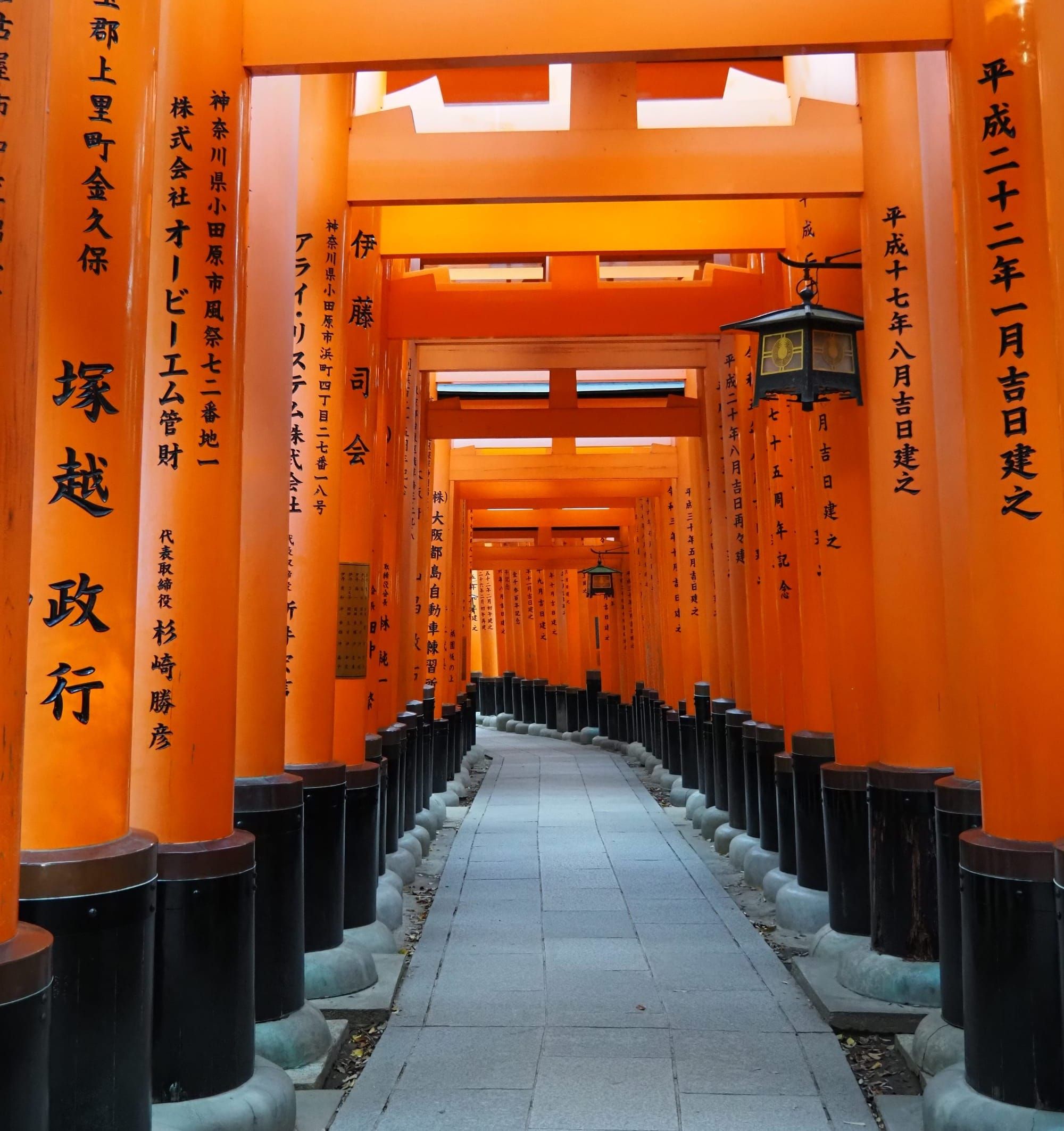
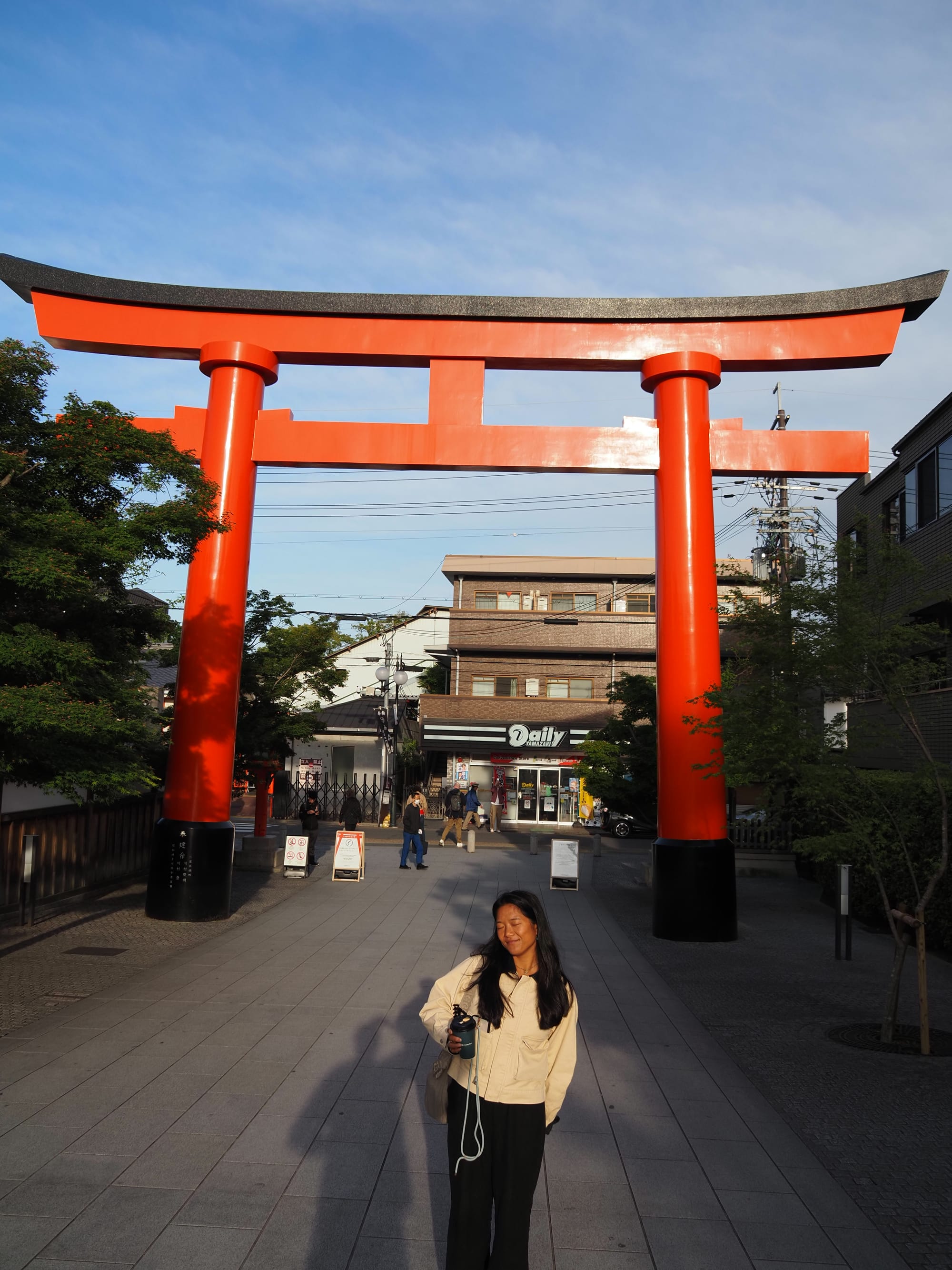
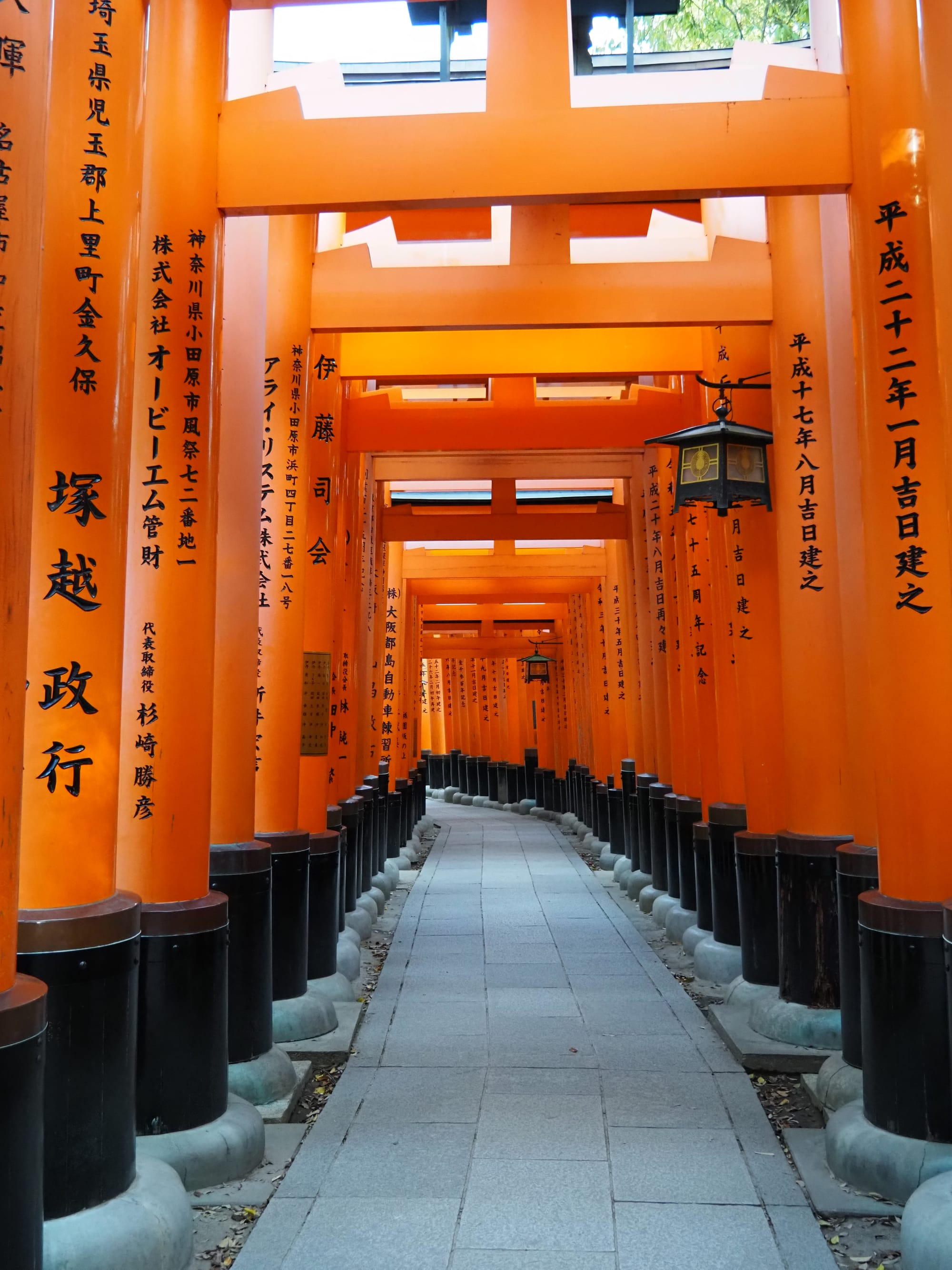
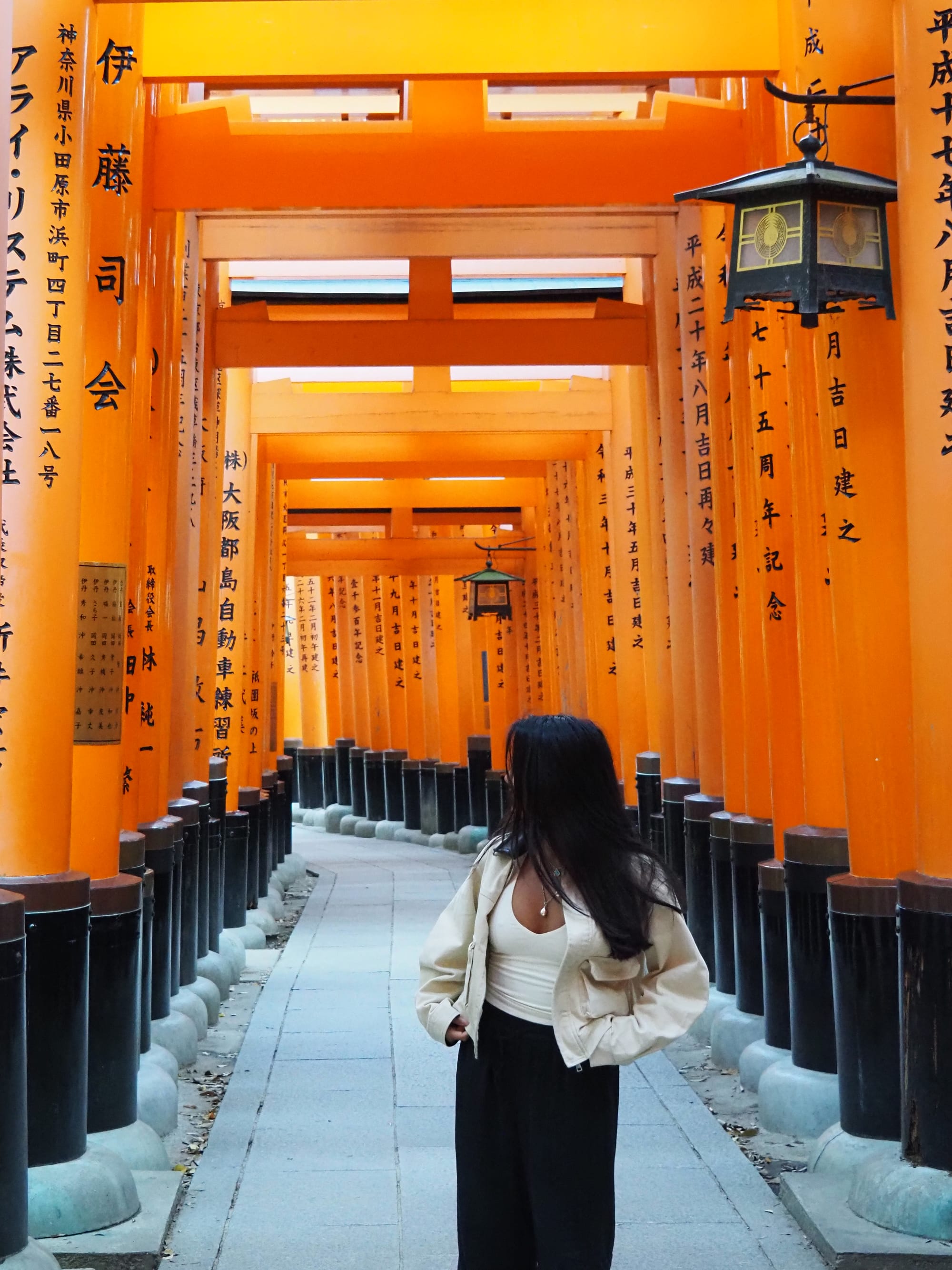
The Fushimi Inari Taisha is the head shrine of the Shinto god Inari, famous for its thousands of vibrant torii gates that form gorgeous tunnels and hiking trails up Mount Inari. These torii gates are donations from people and businesses seeking good fortune. The Shrine is open twenty four hours a day and is free to enter, but the best time to go is early morning or late evening to beat the crowds. We got there around 7am and it took us a couple of hours to walk up the different trails around Mount Inari.
Kiyomizu-dera Shrine
Kiyomizu-dera Shrine is an iconic UNESCO World Heritage Buddhist temple known for its massive viewing platform, which offers panoramic city views. It is one of Japans most popular temples, constantly busy with tourists and locals.
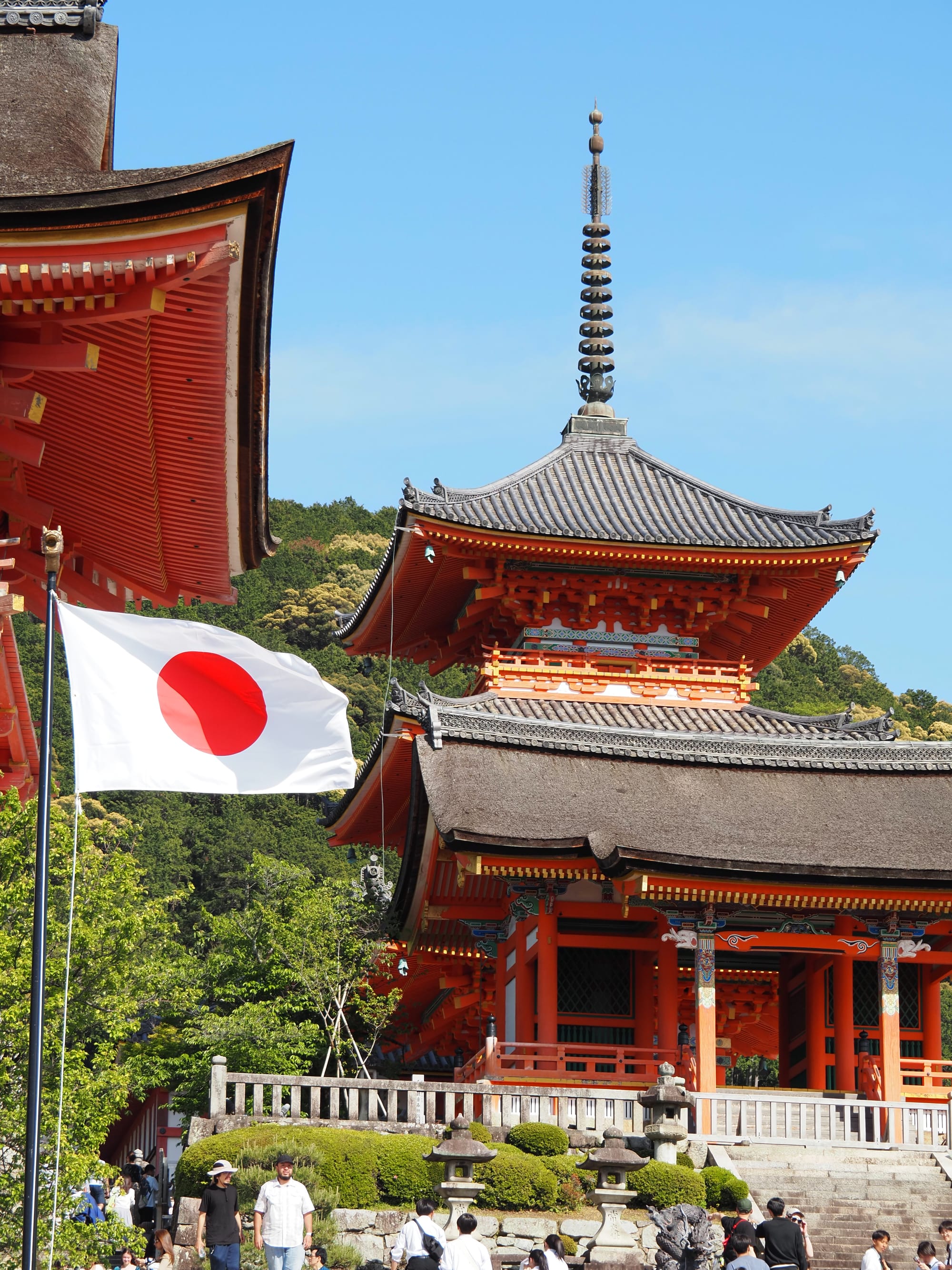
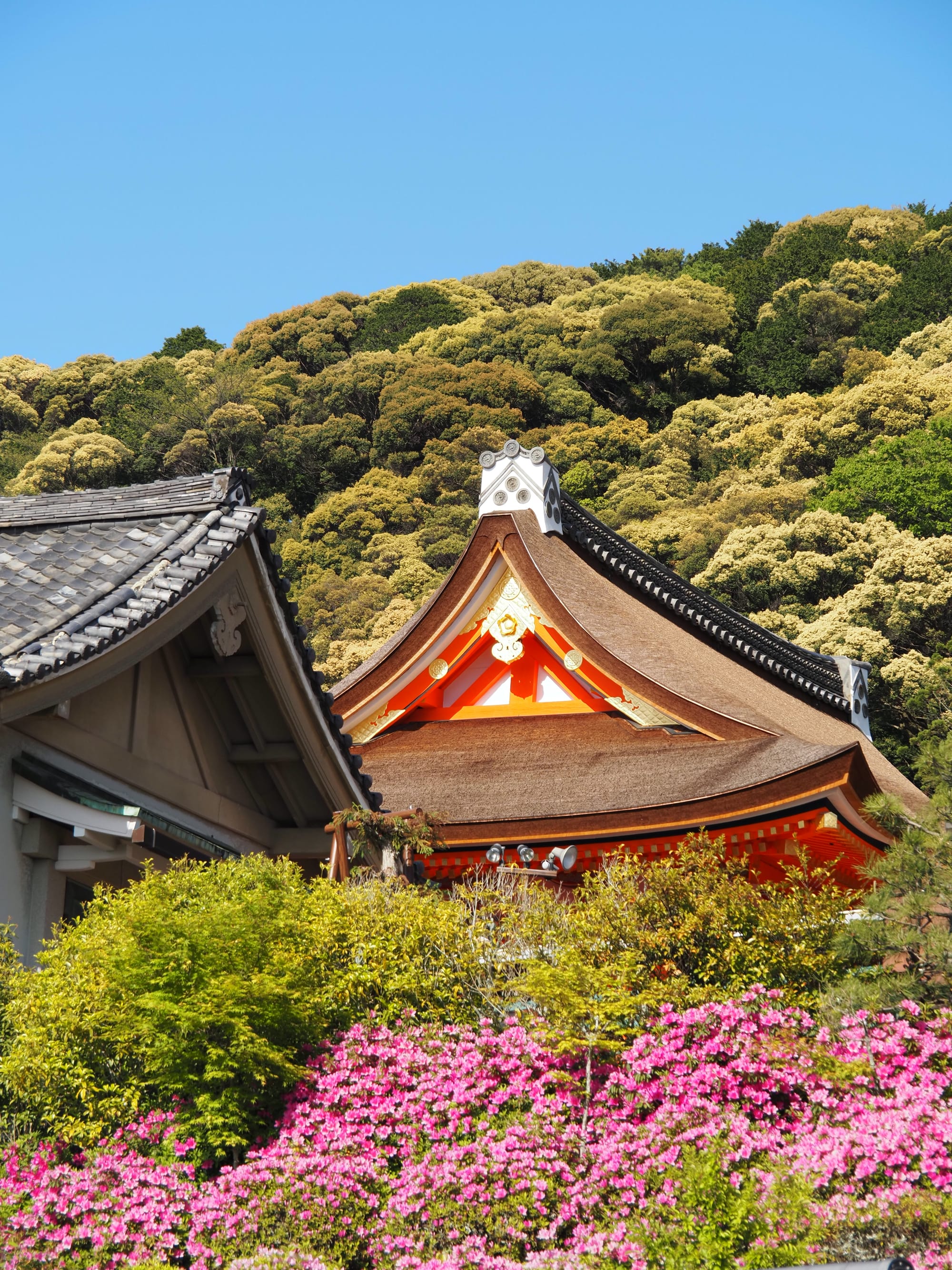
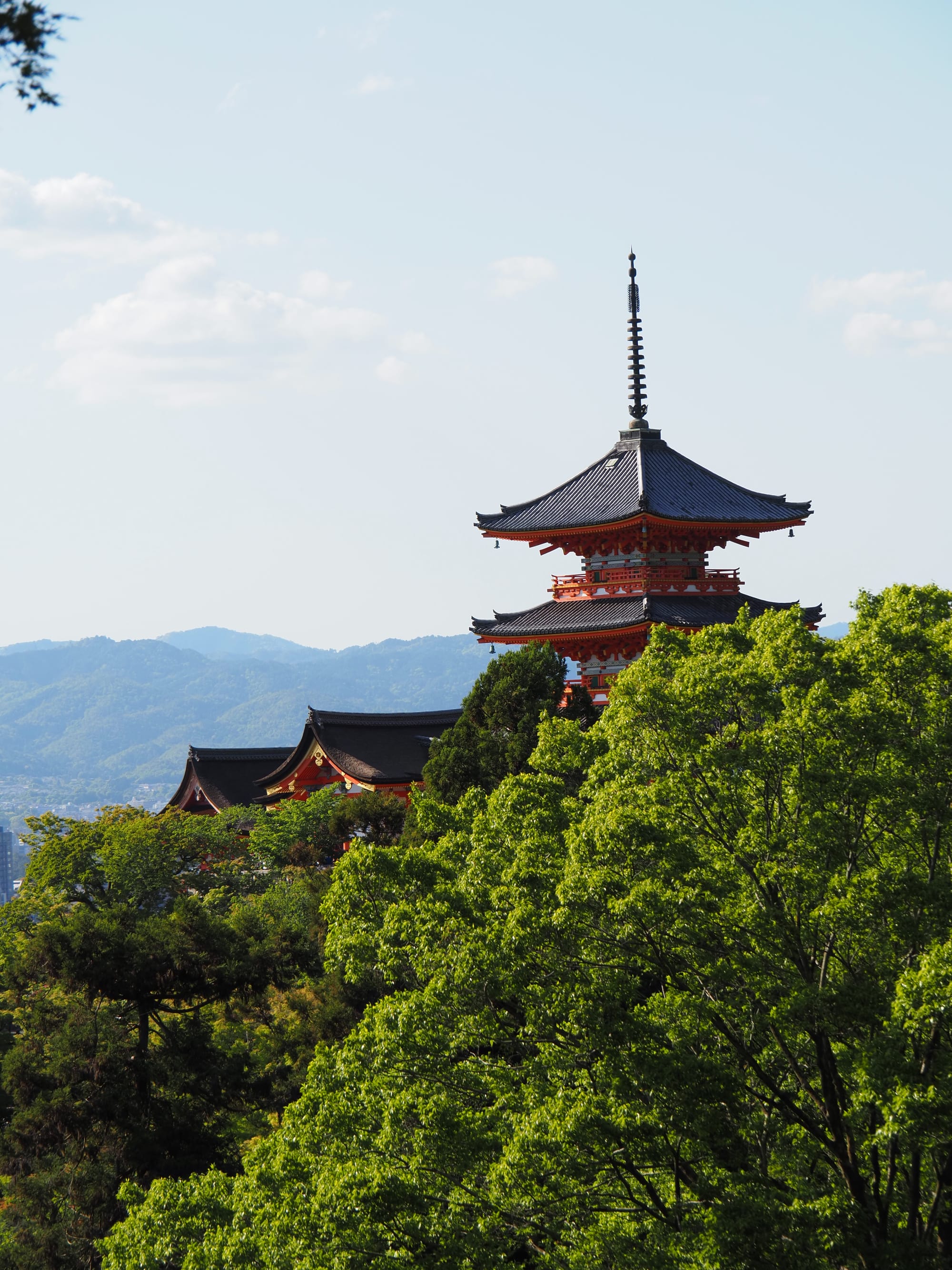
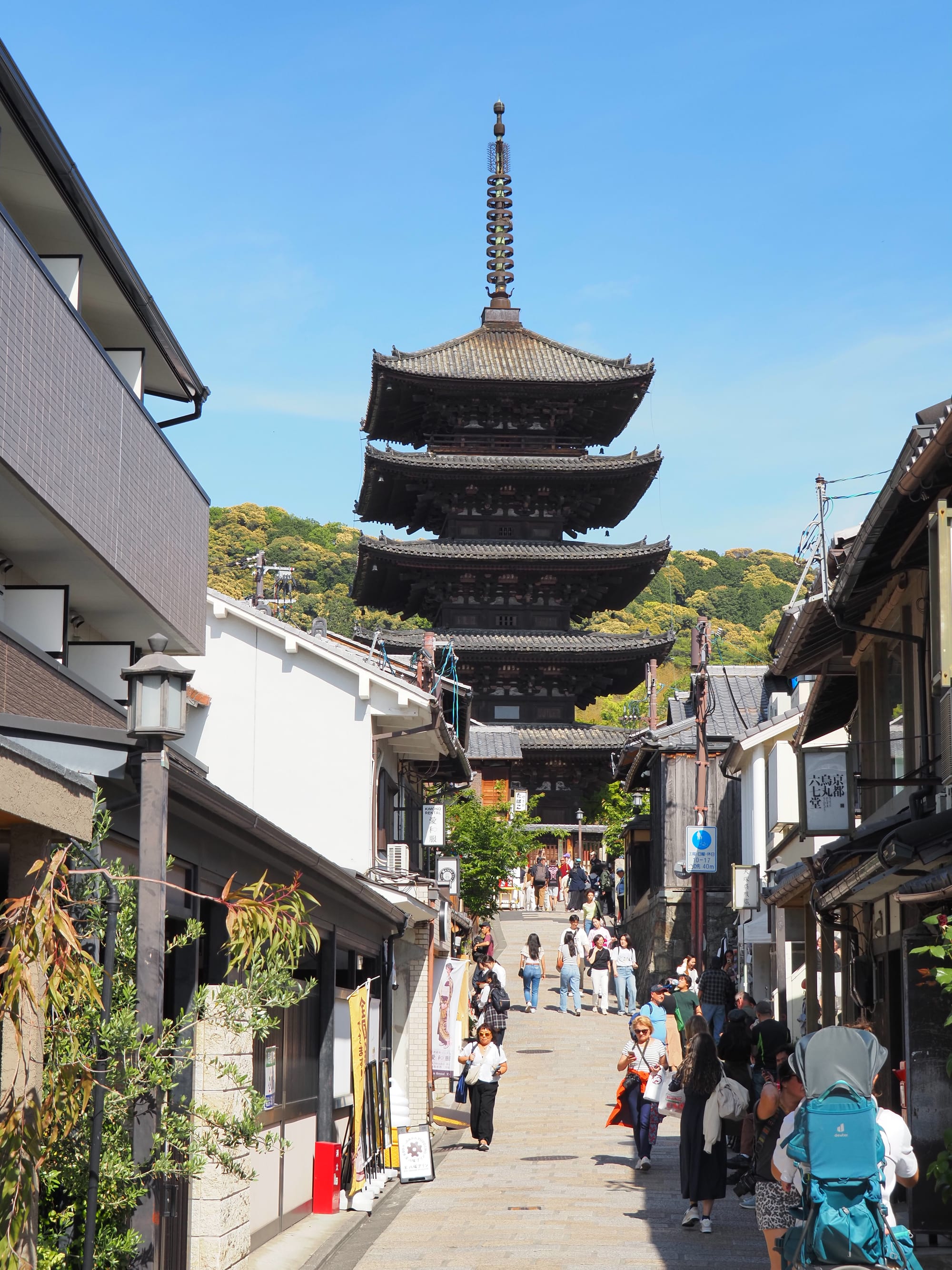
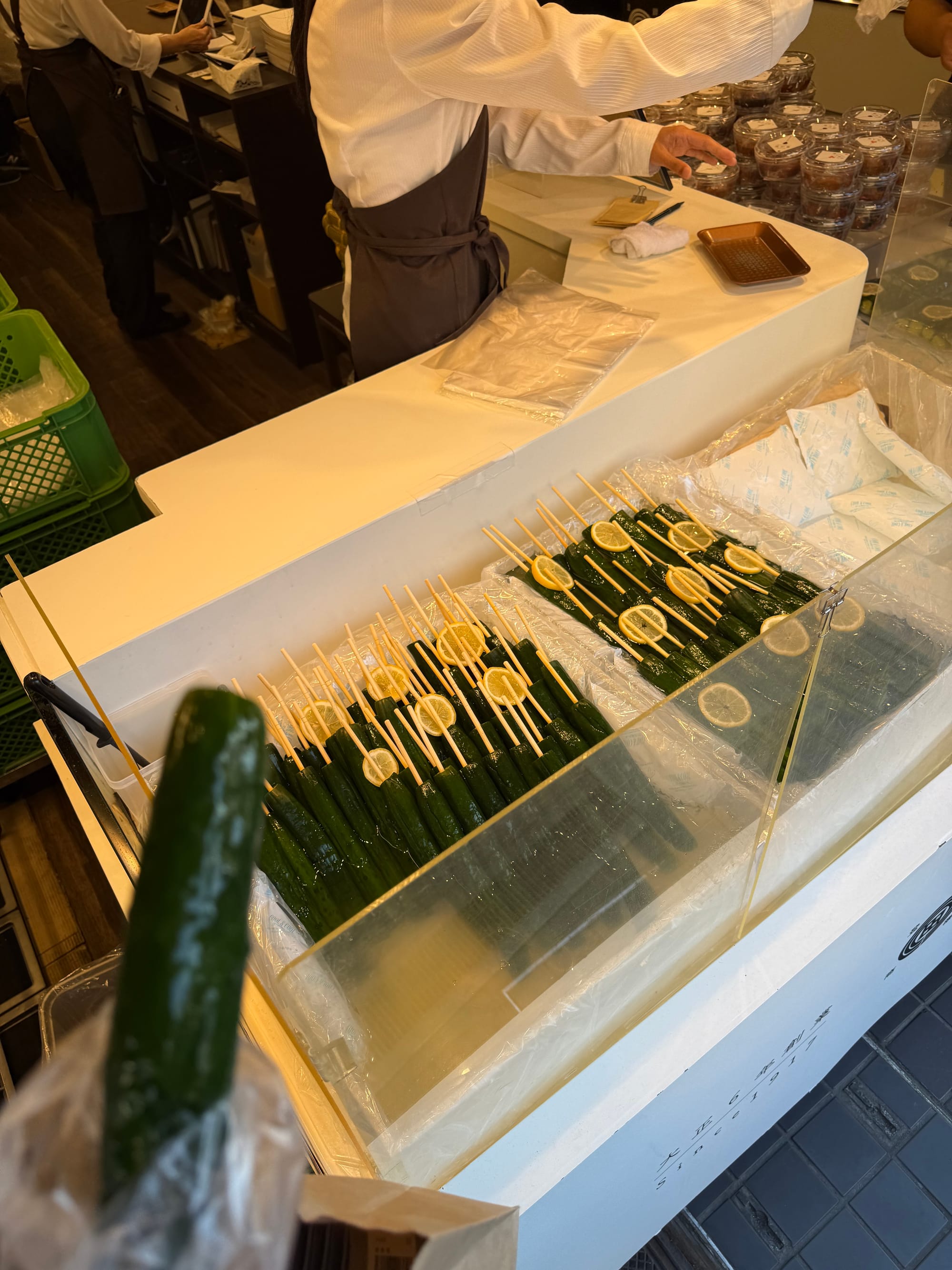
As you walk up towards the Kiyomizu-dera Shrine in Kyoto, the surrounding area is really well known for its different food stalls and restaurants. The primary market street is called Kiyomizu-zak, which is the shopping street leading directly up to the temple gate. However, there are a lot more hidden shops, cafes and foodie spots down the more scenic narrow paths. These can be mochi stands, ice cream, pottery stalls, different sweet shops, cafes, local crafts and souvenirs. There are also loads of different temples you can visit, like the Hōkan-hi Temple (Yasaka Pagoda, pictured below) in the area making it a perfect day out to explore. It is also a short walk away from Gion and Nishiki Market.
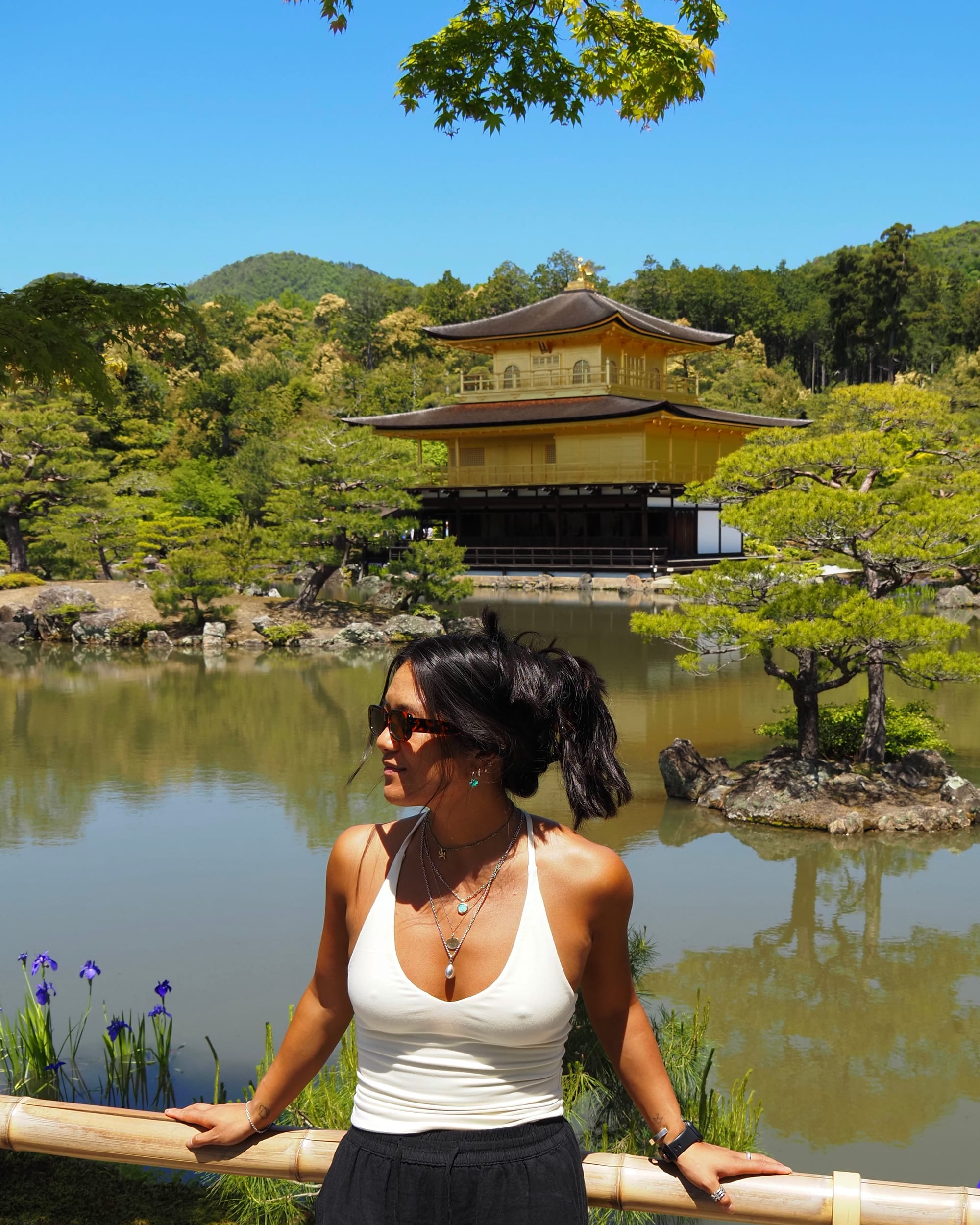
Kinkakuji Temple (Golden Pavilion)
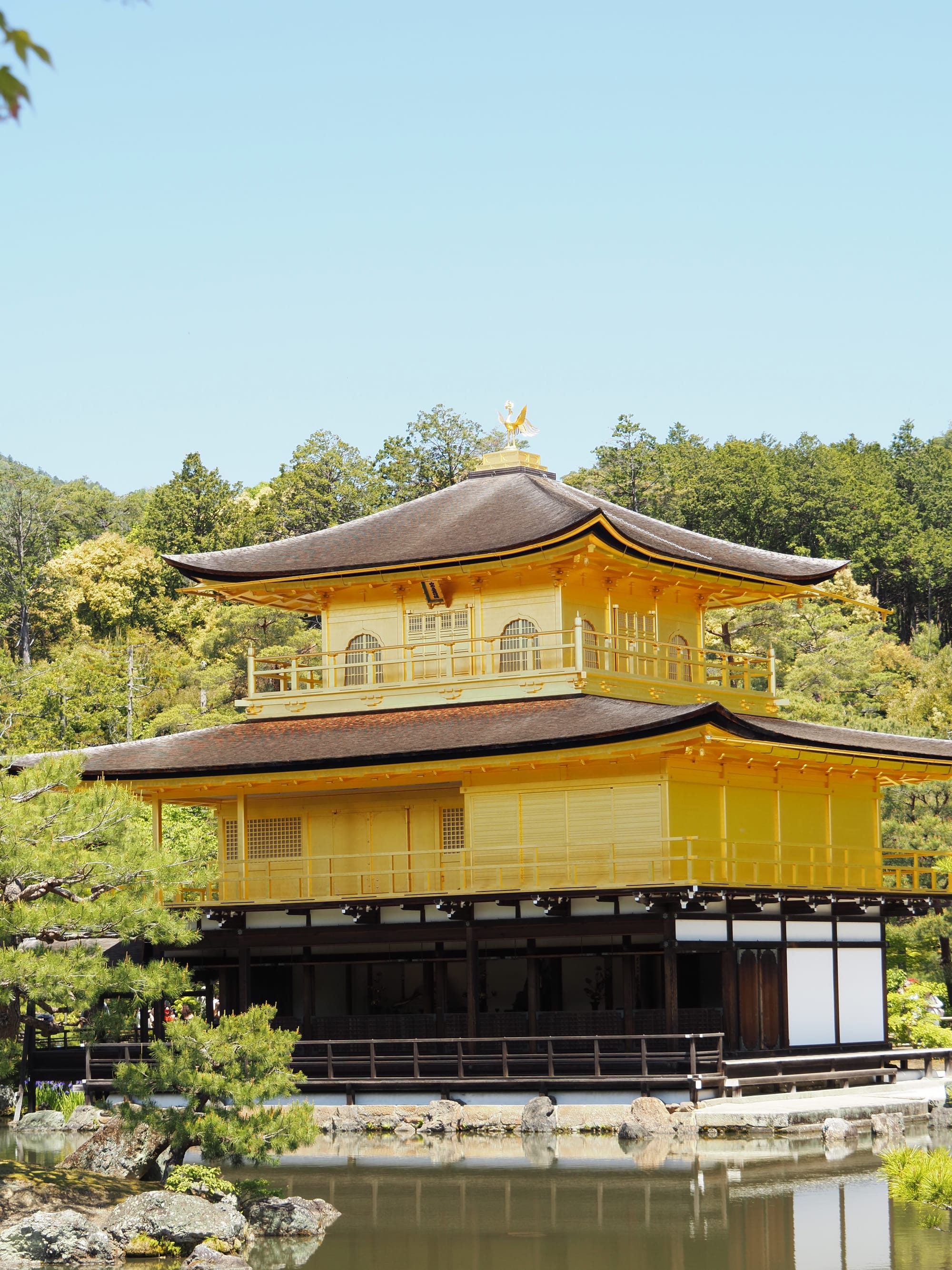
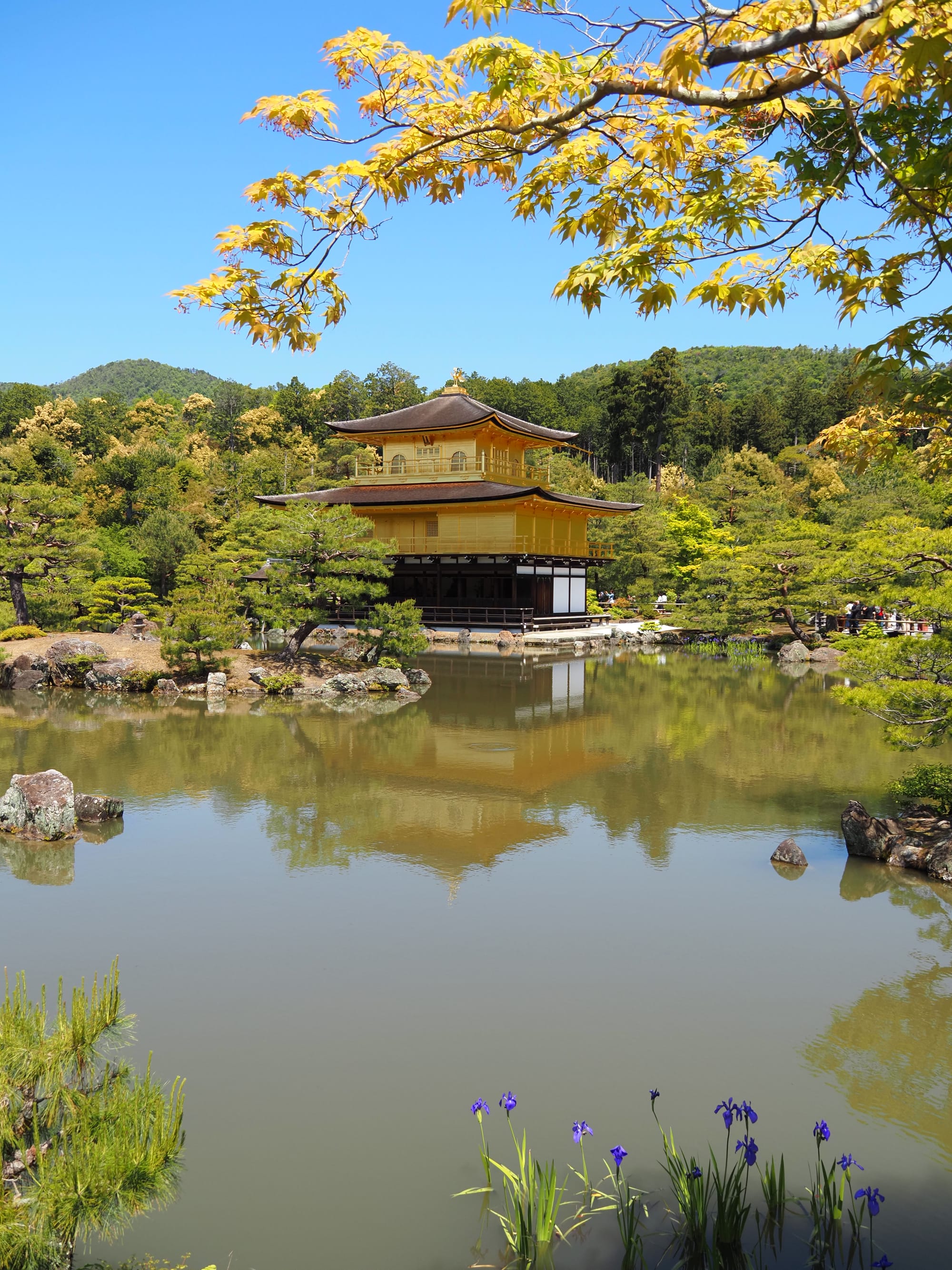
The Golden Pavilion, is a famous Buddhist temple, known for its top two floors which are completely covered in gold leaf. As a UNESCO World Heritage Site, it is one of Japan's most iconic landmarks and was designed to reflect stunningly over the surrounding Mirror Pond.
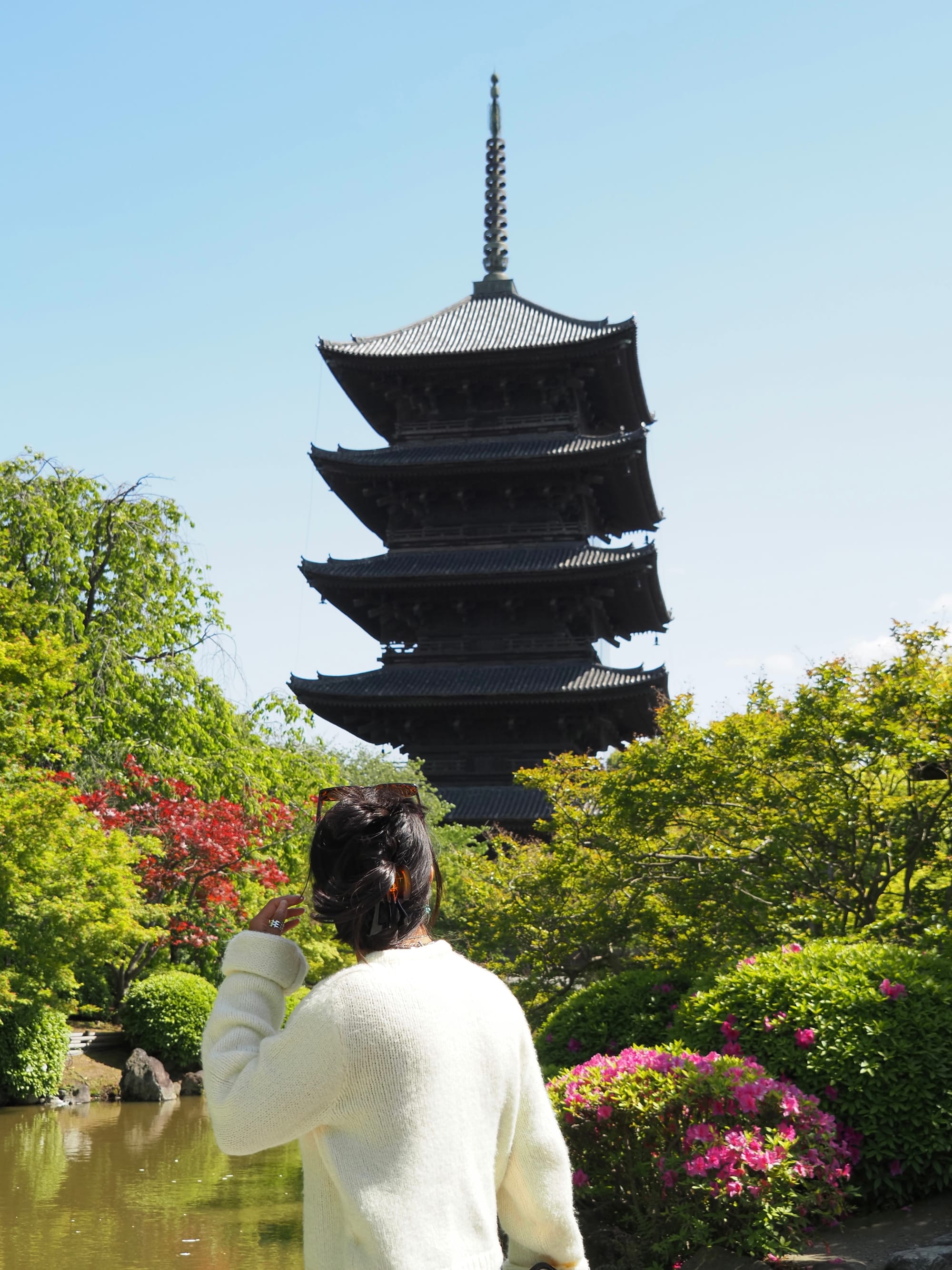
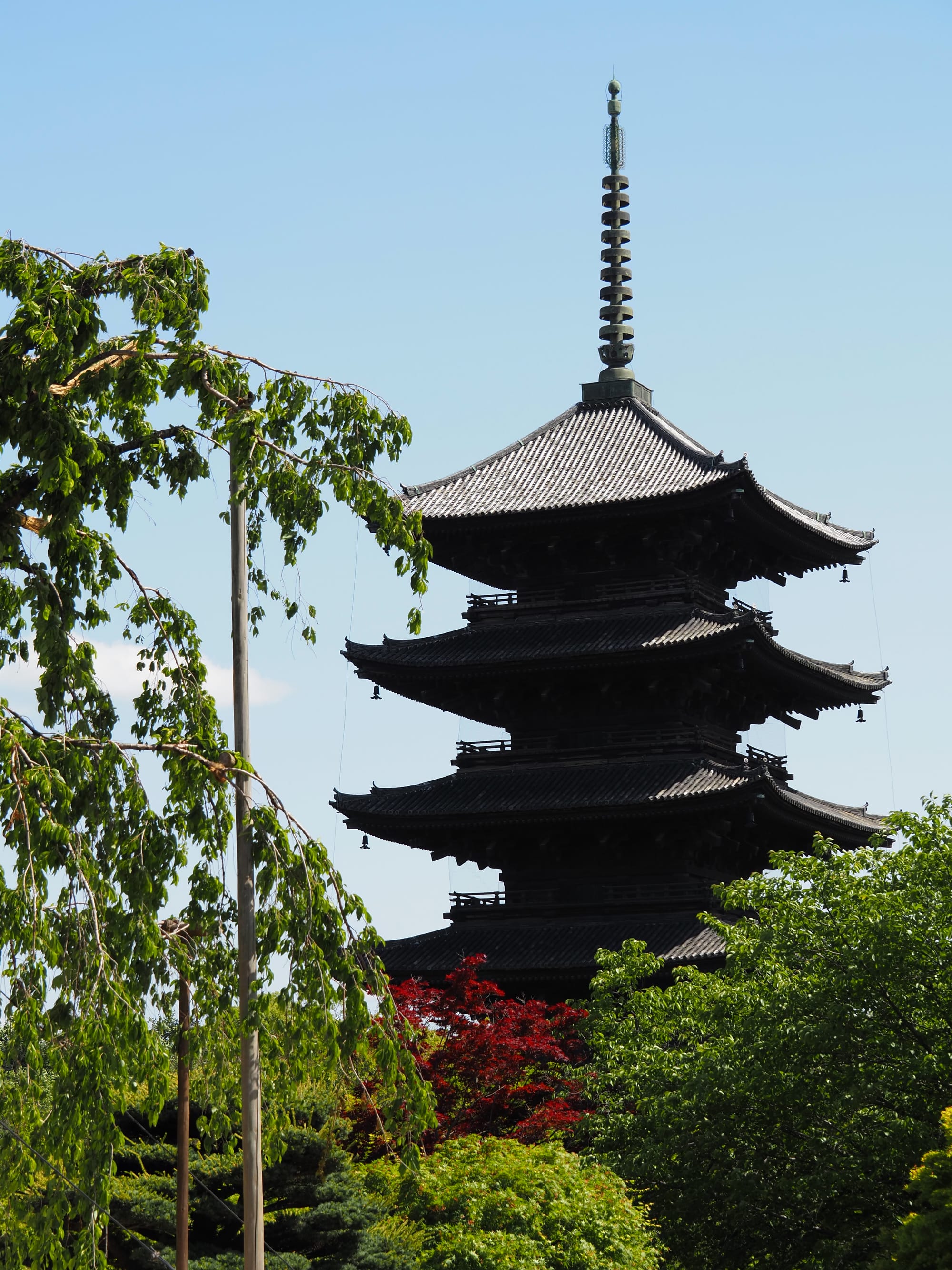
Toji Temple
There are loads of temples and shrines to see in Kyoto, one of the ones we went to was Toji Temple, which is this distinct black, five story pagoda; the tallest wooden pagoda in Japan.
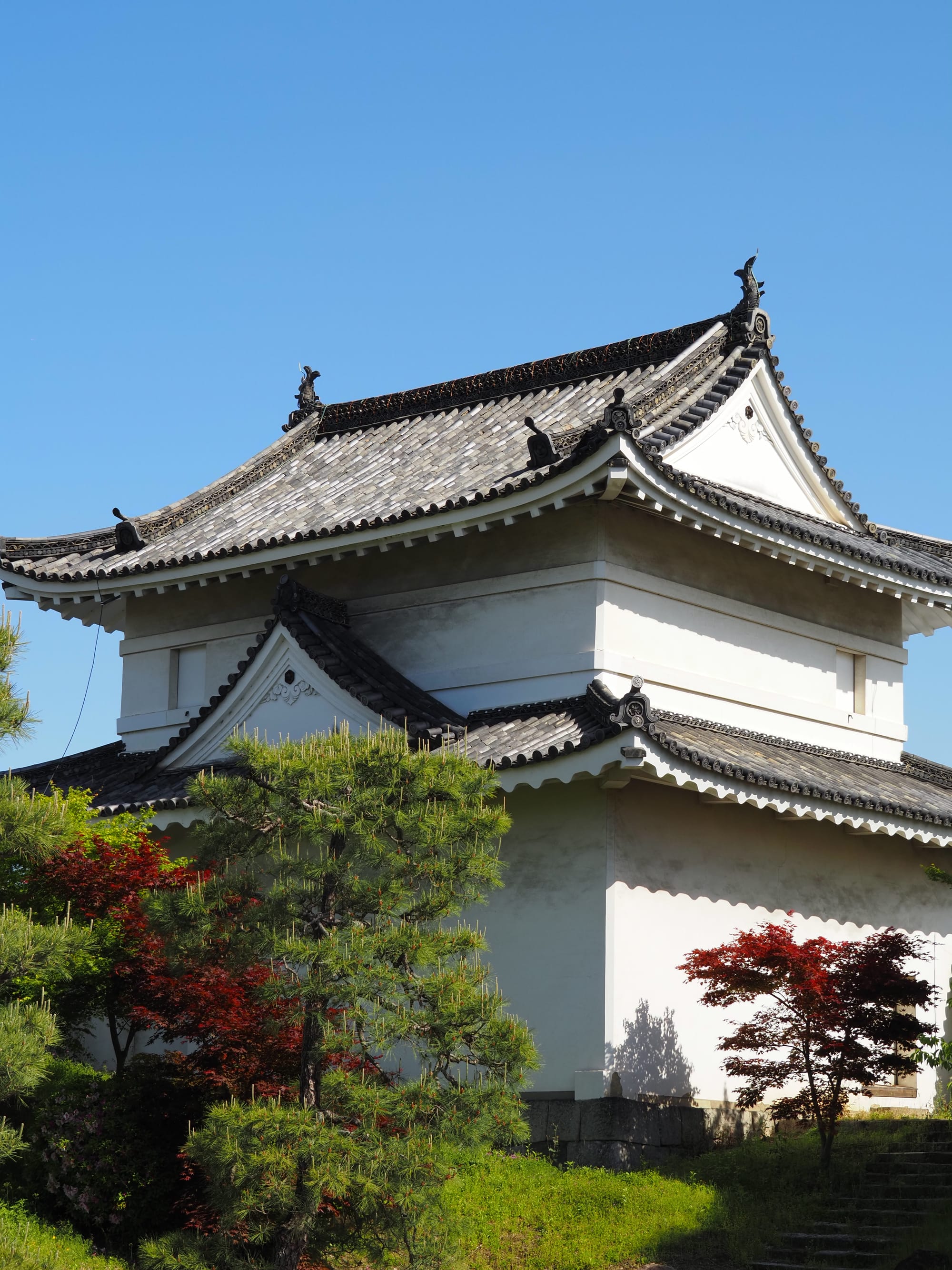
Nijo Jo Castle
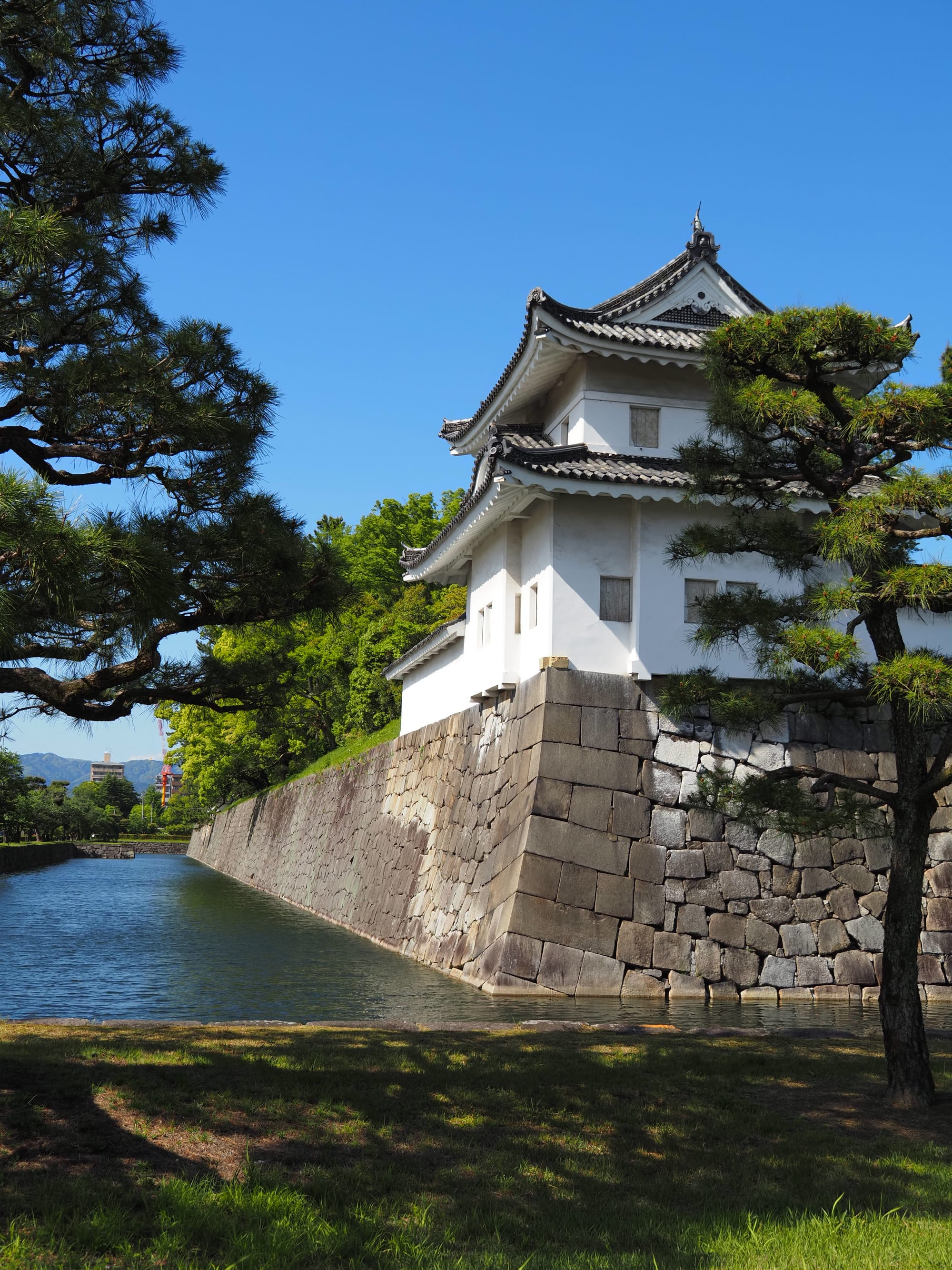
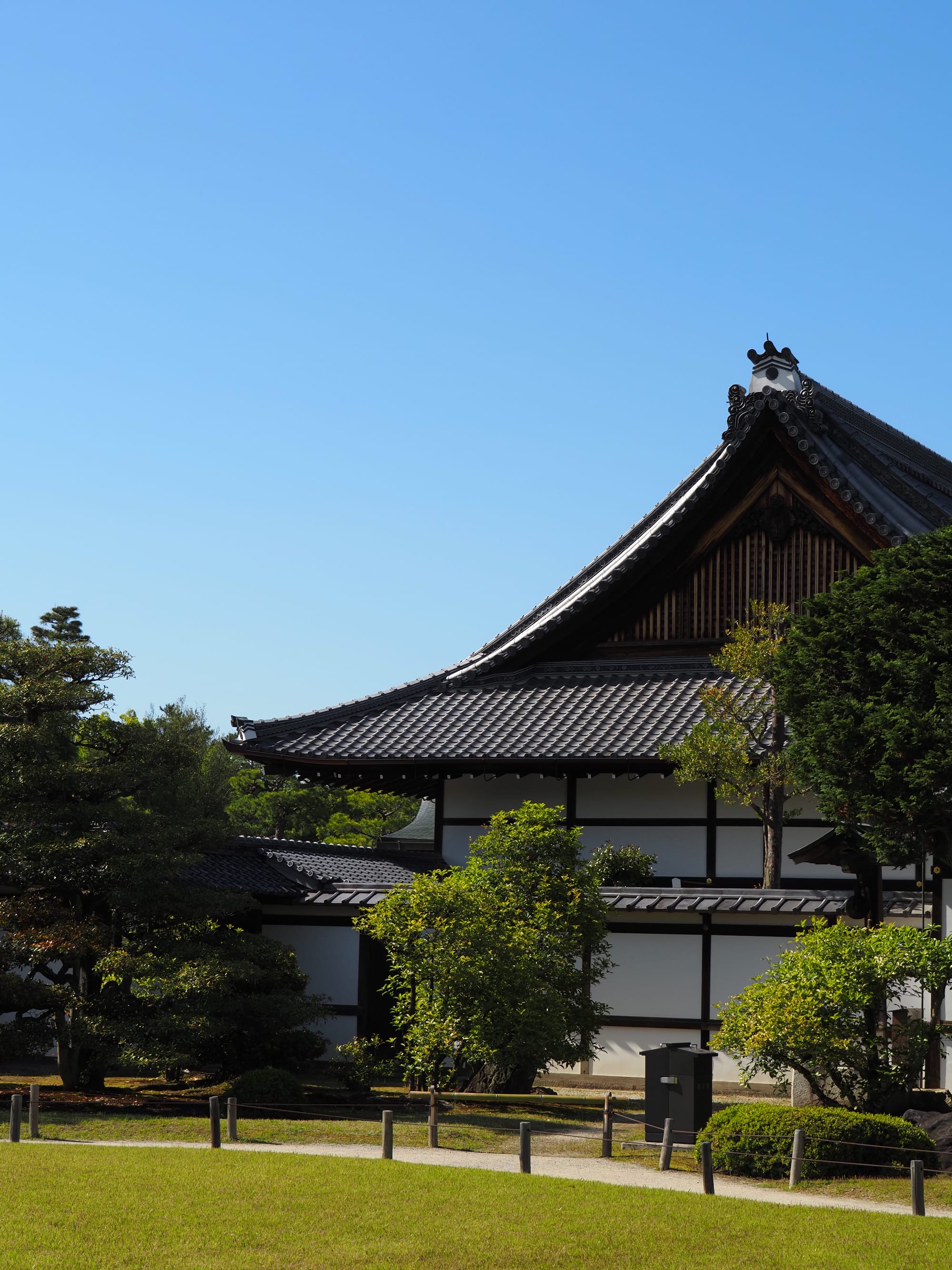
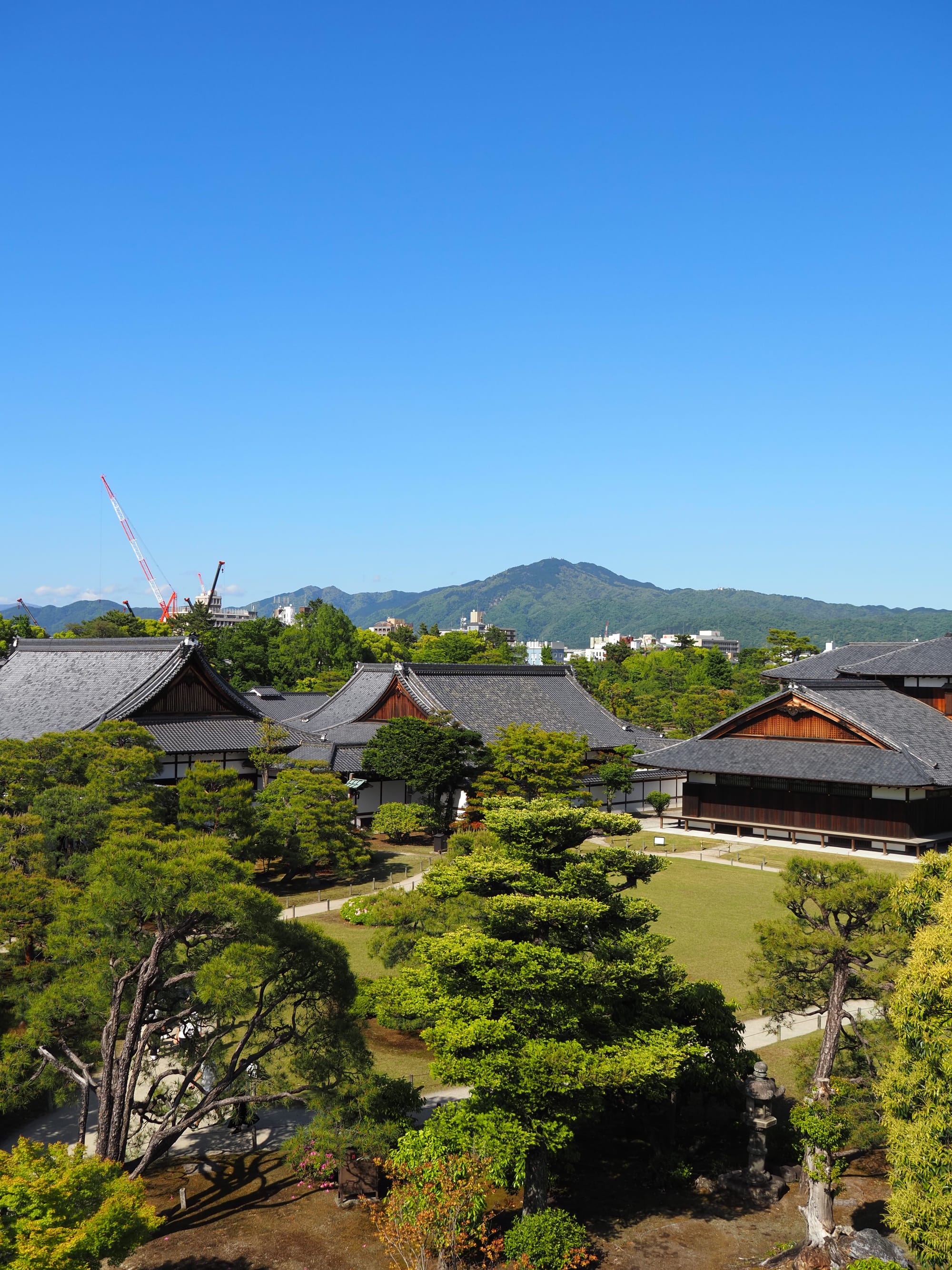
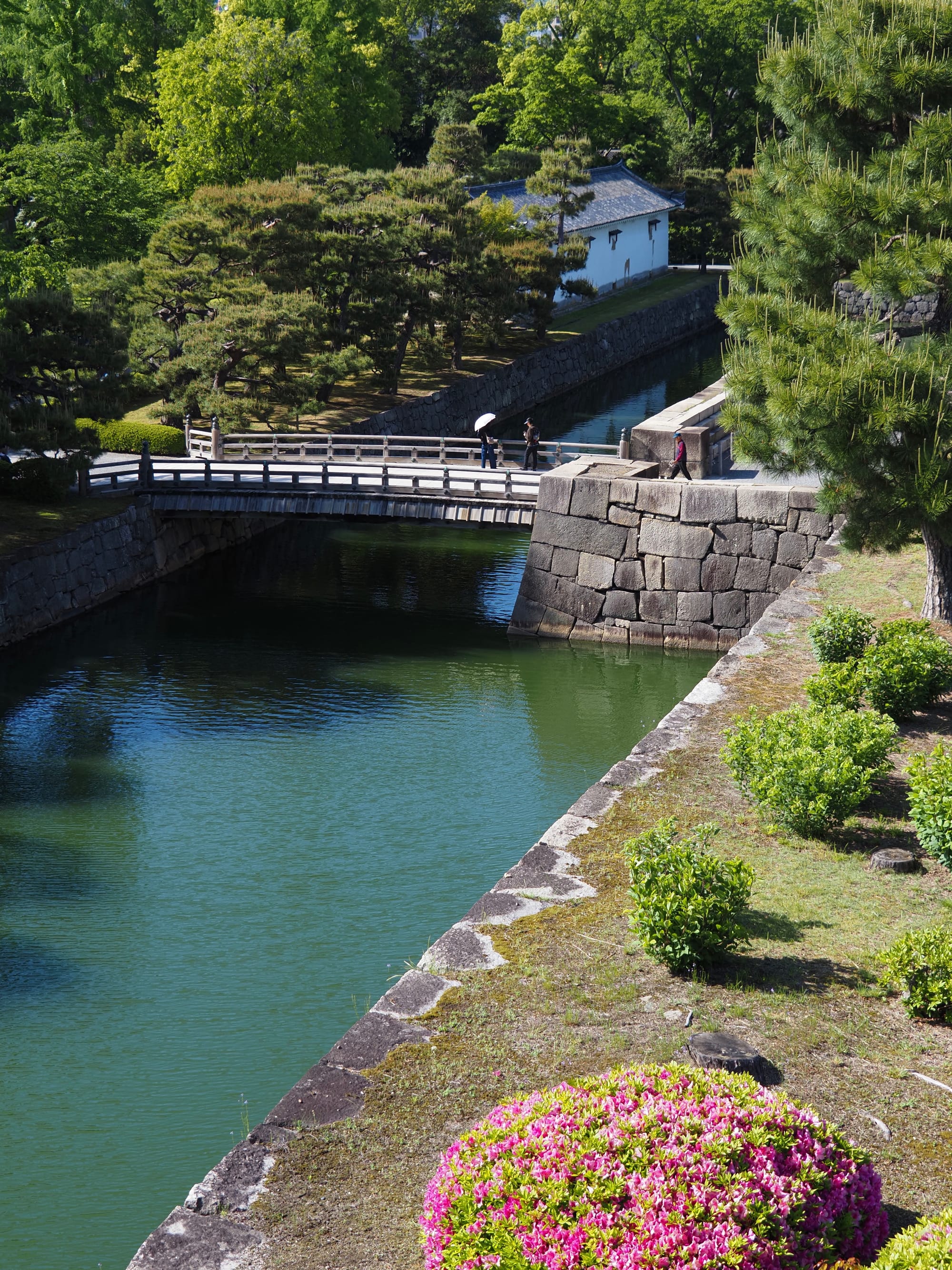
Nijo Castle is known for its intricate architecture and stunning gardens, that you can spend the morning walking around. We spent an hour or so taking in the gardens and surrounding greenery. Was a really nice way to spend the morning, but can easily be missed compared to other shrines and temples in Kyoto.
Tenryu-Ji Garden
Tenryu-ji Garden is a huge 14th century Zen Garden and another UNESCO World Heritage site, known for its stunning Sogenchi Pond and incredible green scenery. You can spend the morning walking around and taking in the beautiful surrounding trees and well kept gardens.
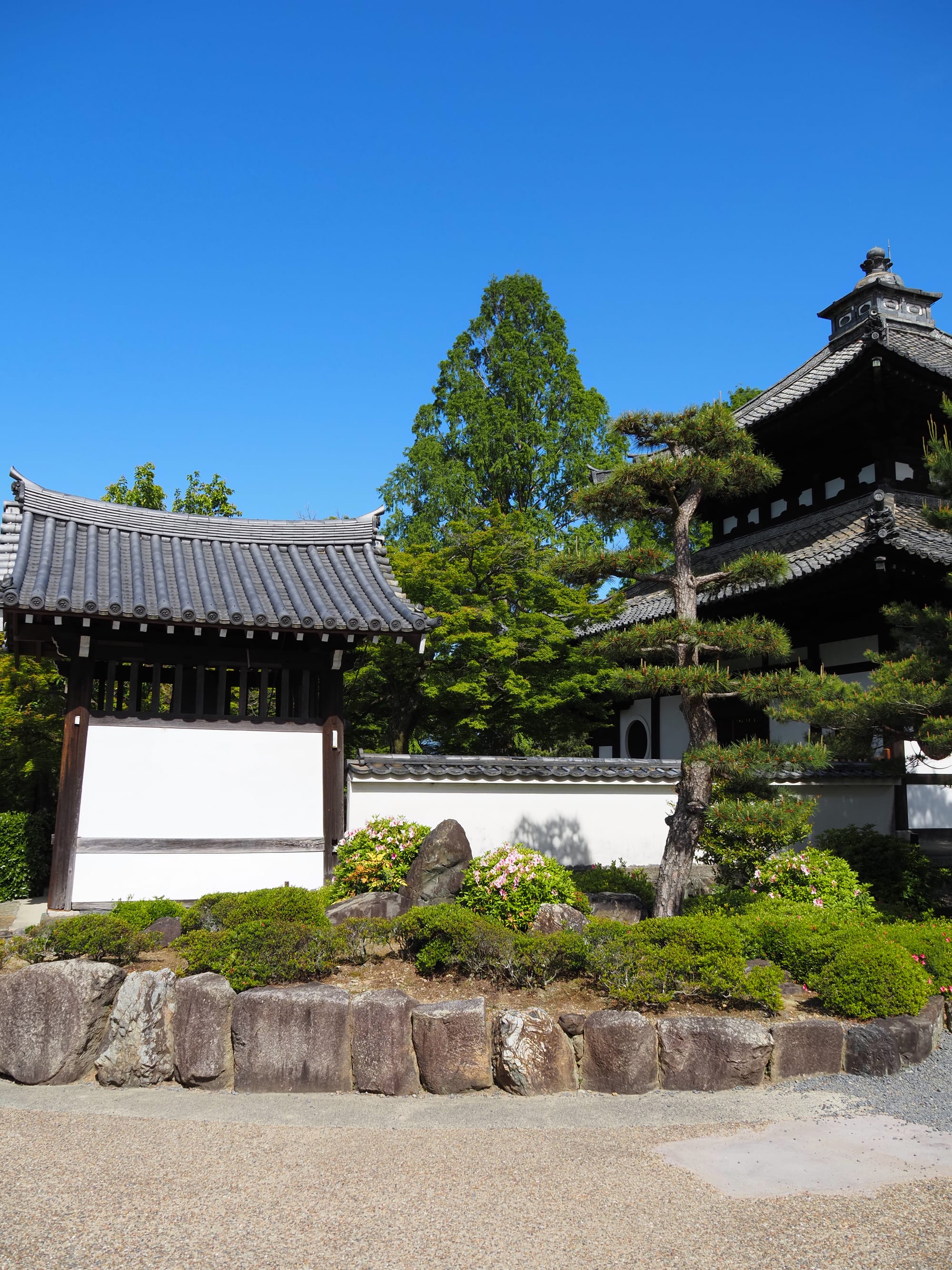
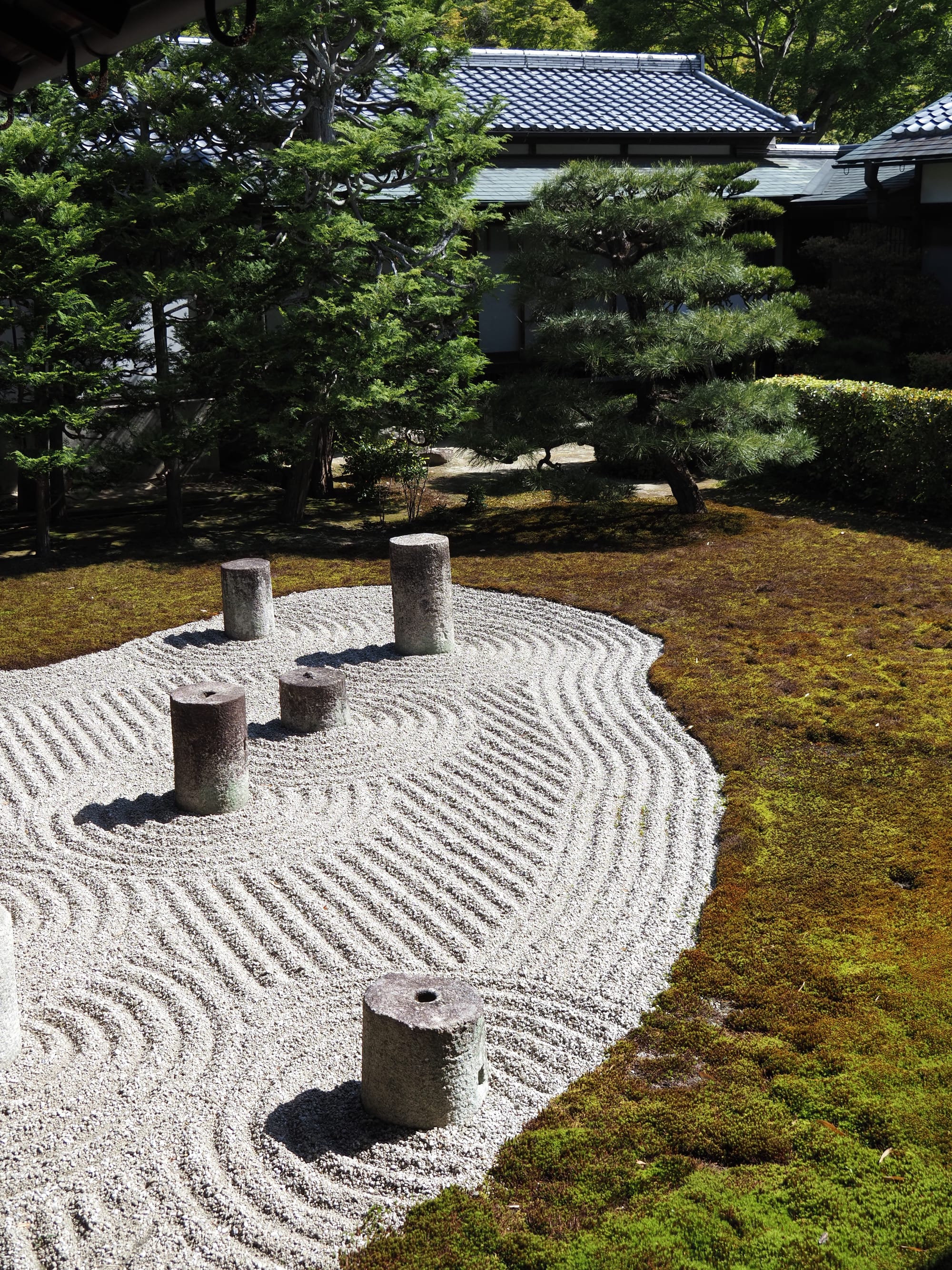
Tōfuku-ji Temple & Hojo Gardens
Tōfuku-ji is renowned for its medieval architecture and spectacular autumn foliage. Its Hojo Gardens are showpieces of modern Zen design, featuring four distinct, artistic gardens surrounding the abbot's quarters with moss, stone, and unique samon patterns (Japanese rake patterns - right photo below).
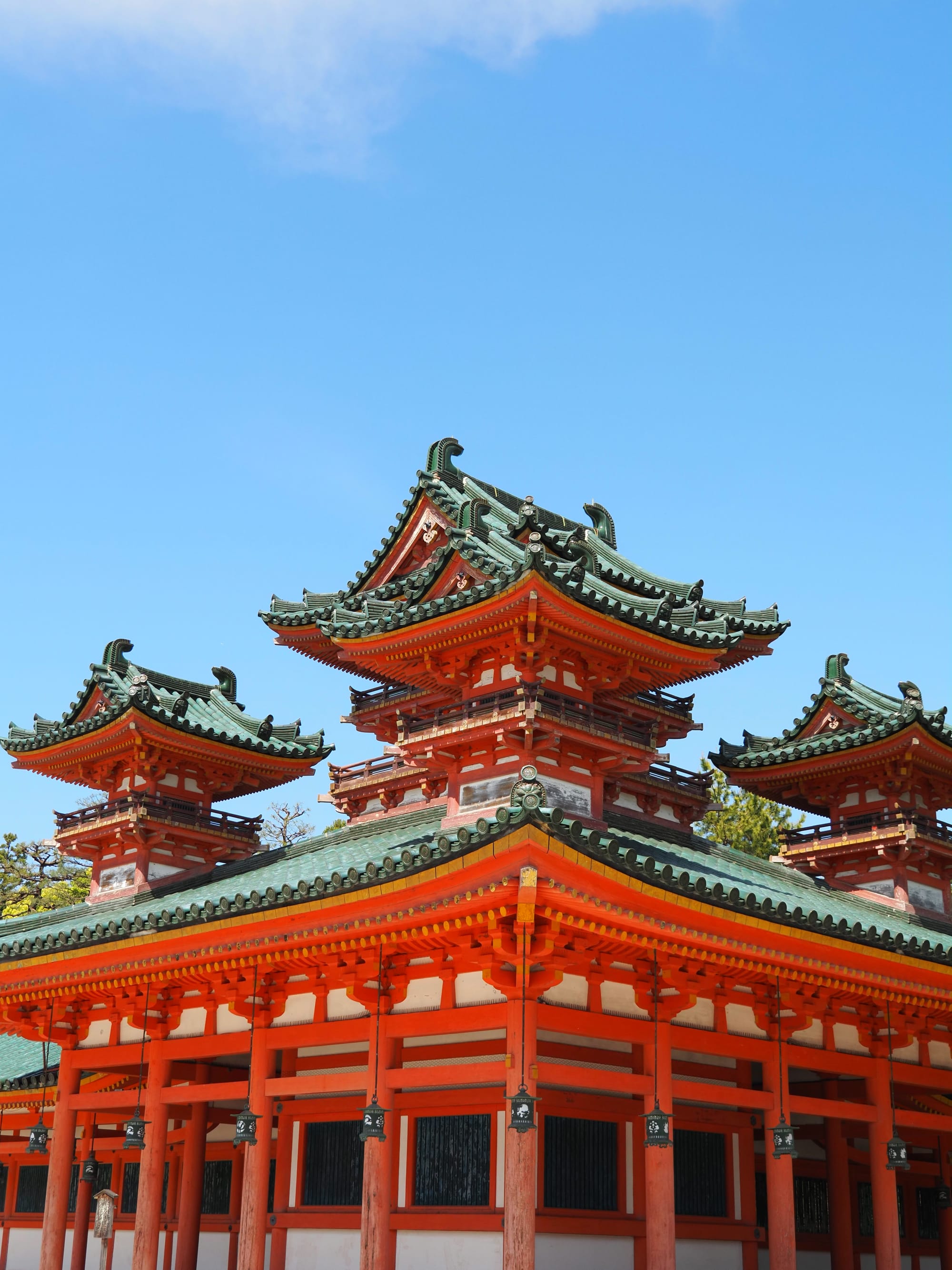
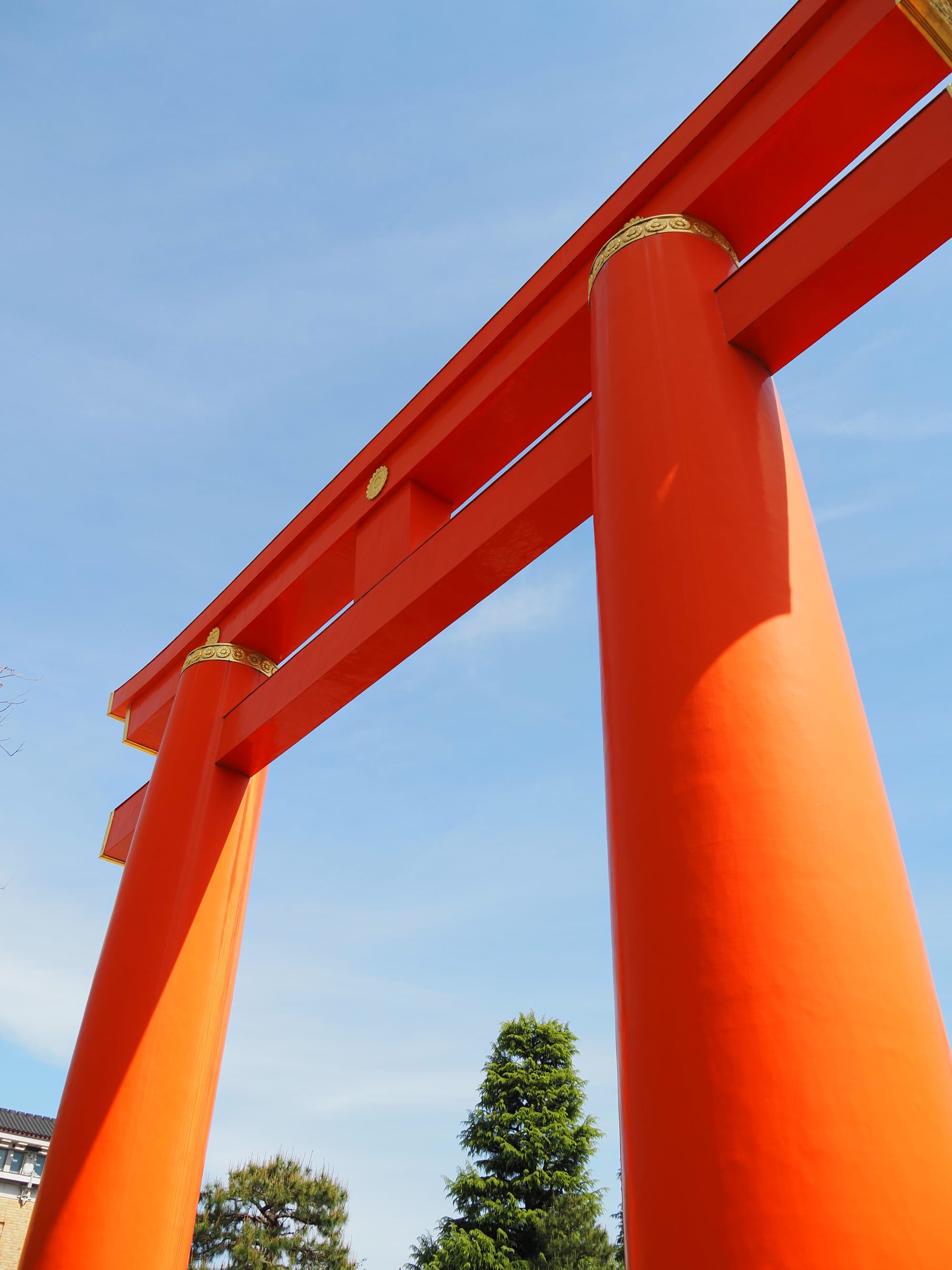
Heian Jingu Shrine
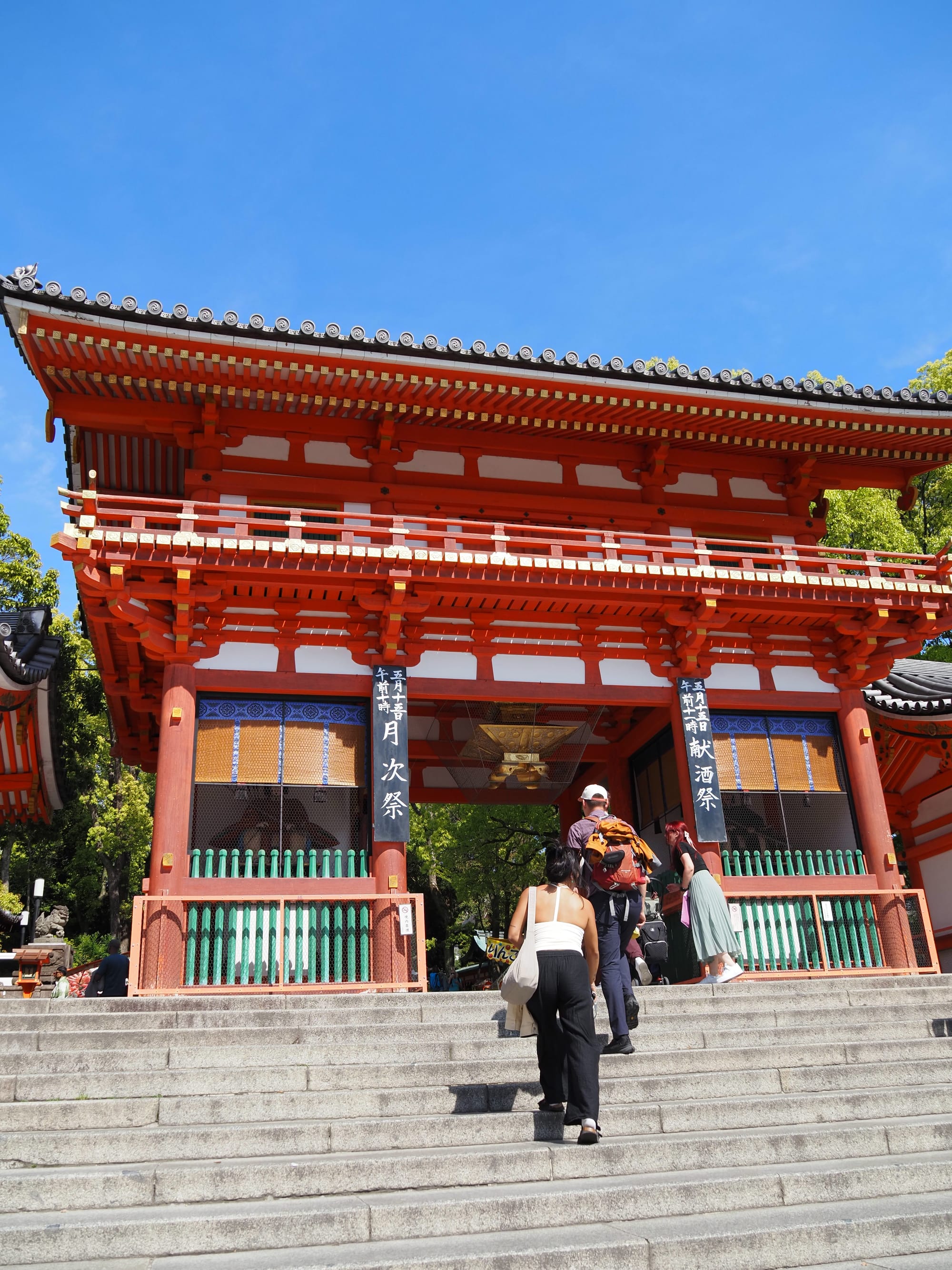
A couple other temples and shrines that you can visit when you are in Kyoto. They aren’t as cool as the ones I have mentioned before, but if you have the time you should visit them as they are free to see.
Other things to do in Kyoto:
- Ginkaku ji
- Chion in
- Eikan do
- Toji Temple
- Bike around the temples
- Kyoto Railway Museum
- Gion Walk
- Kyoto Ukiyo-e Museun
Food
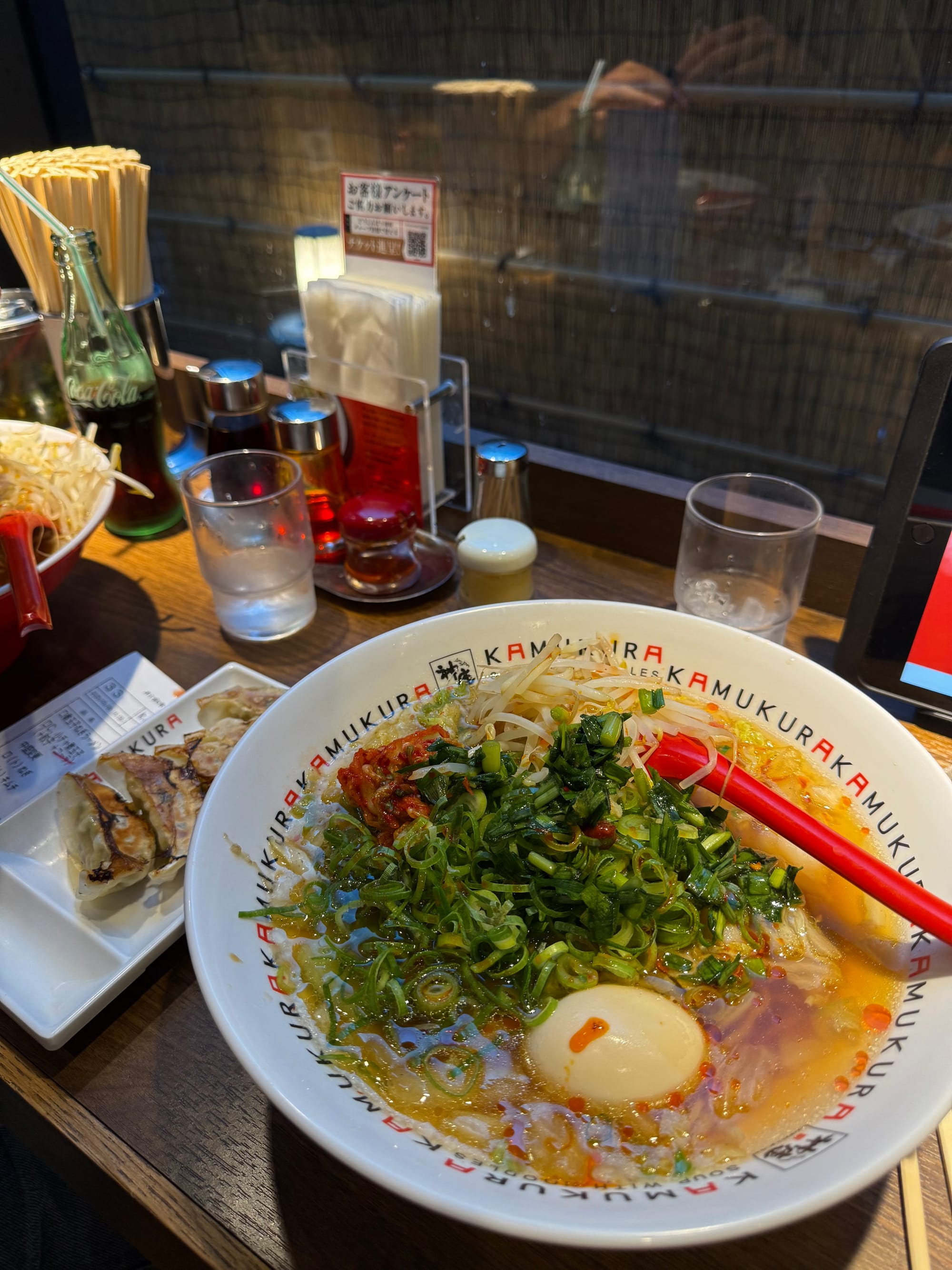
There are loads of delicious food spots in Kyoto that we went to, mainly the food and street markets as you can buy a lot of different things to eat and share. Food spots that we went to will be in my Japan Food Blog here.